How Much Does Roofing Cost in Dallas, TX?
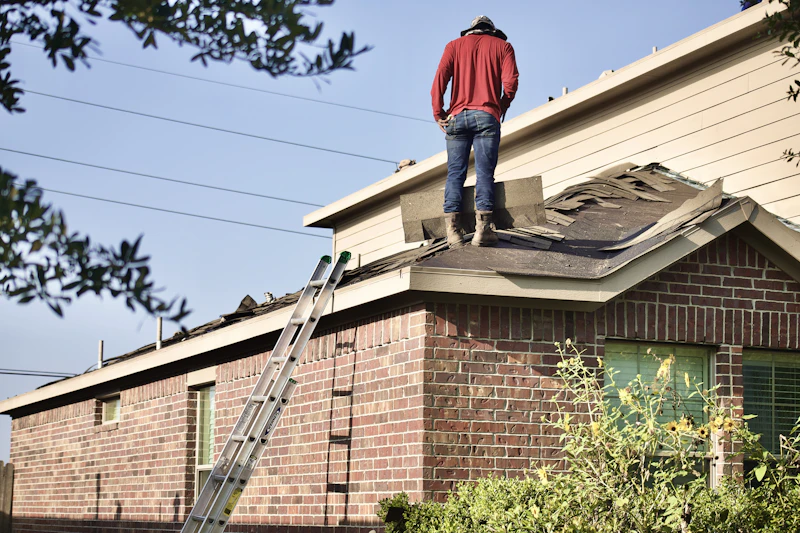
Based on Bureau of Labor Statistics wage data for the Dallas-Fort Worth-Arlington metropolitan area, roofing in Dallas costs between $2,290 and $15,640, with an average of $5,480.
Roofing Cost Breakdown — Dallas, TX
| Service/Item | Low Estimate | Average | High Estimate |
|---|---|---|---|
| Asphalt Shingles (per sq) | $120 | $160 | $240 |
| Metal Roofing (per sq) | $330 | $440 | $630 |
| Flat Roof Repair | $230 | $320 | $490 |
| Full Replacement (2,000 sq ft) | $4,170 | $5,480 | $7,670 |
| Roof Inspection | $20 | $30 | $60 |
| Gutter Installation (per ft) | $10 | $10 | $20 |
Why Roofing Costs Vary in Dallas
Dallas homeowners face a unique set of challenges roofing, from scorching summers to severe storms. These factors directly impact the cost of roofing projects.
The Bureau of Labor Statistics reports an average labor rate of $21.86/hr for roofers in the Dallas-Fort Worth-Arlington area. Contractors typically apply a markup to this rate, contributing to the overall cost.
In comparison to the national average, Dallas roofing costs are approximately 3% lower. This regional variation is influenced by local factors such as the prevalence of slab-on-grade construction, brick veneer homes, and a mix of newer subdivisions and older bungalows in urban cores.
The hot and humid summers in Dallas, with temperatures often reaching 95-105°F, accelerate wear on roofing materials.
Mild winters are less harsh on roofs, but severe storms, hail, tornadoes in the north, and hurricane risks along the coast necessitate durable, storm-resistant roofing solutions. These conditions drive up demand for high-quality roofing materials and expert installation, affecting costs.
Comparing Quotes: Budget vs. Mid-Range vs. Premium
| Feature | Budget | Mid-Range | Premium |
|---|---|---|---|
| Materials | Basic asphalt shingles | Architectural shingles | High-end metal or tile |
| Warranty | Standard 20-year | 25-30 year | 50-year or lifetime |
| Timeline | Quick installation | Standard 1-2 weeks | Customized, potentially longer |
| Labor Quality | Basic, efficient work | Experienced crew | Master craftsmen |
| Additional Features | Minimal | Standard ventilation, flashing | Enhanced ventilation, custom flashing, upgraded underlayment |
Seasonal Pricing Patterns in TX
Roofing costs in Dallas are influenced by the local climate, with peak and off-peak seasons affecting pricing. The hot and humid summers increase demand for roofing services, while mild winters see lower demand.
Timing tips for Dallas homeowners:
- Schedule roof replacements during late spring or early fall to avoid peak summer demand.
- Emergency repairs during severe storms may incur higher rates; prepare by inspecting your roof before peak storm season.
- Off-peak season (usually November to February) may offer lower labor costs.
- Be prepared for possible supply chain delays during peak season.
- Consider scheduling maintenance and inspections during off-peak seasons to extend roof lifespan.
- Verify the contractor's local business license and trade-specific permits.
- Check for manufacturer certifications and product-specific training.
- Request proof of liability insurance and workers' compensation coverage.
- Read online reviews and ask for references.
- Obtain detailed, itemized estimates from multiple contractors.
- Ensure the contractor provides a clear warranty and guarantee.
- Demand full payment upfront.
- Lack transparency about materials, labor, or costs.
- Are unwilling to provide references or proof of licensing.
- Can you provide a detailed breakdown of costs?
- What materials will you use, and why?
- What is your process for handling unexpected issues during the project?
- Local labor rates — The Dallas area has a labor rate of $21.86/hr (Bureau of Labor Statistics, 2024), which is about 3% lower than the national average. This is largely due to the relatively lower cost of living in Texas compared to other states, as well as a moderate union presence. The demand for roofing services in Dallas is steady, but not as high as in other major cities, which helps keep labor costs in check.
- Seasonal demand — In the Dallas climate, roofing demand peaks during the summer months (June to August) when temperatures often reach 95-105°F. During this time, roofing contractors may charge a 10-20% premium for their services due to the high demand. If possible, scheduling roofing work during the off-peak season (October to May) can help you save on costs.
- Project scope — The scope of your roofing project can significantly impact the overall cost. A basic repair, such as fixing a few damaged shingles, will generally cost less than a full replacement of your roof. The gap between low and high estimates can be driven by factors like the complexity of the job, the type of materials needed, and the labor required. For example, a simple repair might cost around $500, while a full replacement could cost $5,000 or more.
- Permits & inspections — In Texas, there is no state licensing requirement for contractors, but cities like Dallas, Houston, Austin, and San Antonio require a permit for roofing work. Permit fees in Dallas typically range from $50 to $300, depending on the type and scope of the project. Additionally, you may need to pay for inspections, which can add to the overall cost.
- Materials quality — The quality of materials used for your roofing project can significantly impact the cost. Premium materials, such as architectural shingles or metal roofing, can cost 30-50% more than builder-grade materials. For example, a basic asphalt shingle roof might cost $3 to $5 per square foot, while a premium metal roof could cost $7 to $10 per square foot. Some popular material choices for roofing in Dallas include asphalt shingles, clay tile, and metal roofing.
- Property characteristics — The type, age, and design of your home can also affect roofing costs. For example, a multi-story home or one with a complex roof design may require more labor and materials, increasing the cost. In Dallas, many homes are built on slab-on-grade foundations, with brick veneer exteriors, which can make roofing work more straightforward. However, newer subdivisions with complex roof designs or unique features may require more expensive roofing solutions.
- Emergency vs scheduled — If you need emergency roofing services, such as after a severe storm or during a weekend, you may be charged 1.5 to 2 times the regular rate. This is because emergency work often requires contractors to work outside regular business hours, which can incur additional labor costs. Scheduling your roofing work in advance can help you avoid these premium rates.
Emergency rates apply during severe weather events. To avoid these, schedule regular inspections and address minor issues promptly.
Hiring the Right Contractor in Dallas
While Texas does not require state-level contractor licensing, cities like Dallas, Houston, Austin, and San Antonio mandate trade-specific permits.
The Texas Department of Licensing and Regulation (TDLR) licenses HVAC and electrical contractors at the state level. Verify city requirements before hiring a contractor.
When hiring a roofing contractor in Dallas, ensure you:
Red flags during estimates include:
Be cautious of contractors who:
Ask questions during estimates, such as:
Roofing in Dallas: Climate & Local Conditions
Local hazards that affect roofing work: hail, tornado, expansive clay soil, heat wave.
Dallas's hurricane and tropical-storm exposure drives the regional spec: secondary water barrier (peel-and-stick underlayment), ring-shank nails, and FBC product approval are typical code requirements; high-wind ratings of 130-180 mph apply in coastal zones.
Climate normals: NOAA 1991-2020 (base 65°F). Zones: IECC 2021.
Roofing Costs vs. Other Texas Cities
How Dallas's average ($5,480) compares to other Texas cities using the same BLS methodology:
| City | Average Cost | BLS Hourly Rate | vs. Dallas |
|---|---|---|---|
| Fort Worth | $5,480 | $21.86/hr | +0% |
| Arlington | $5,480 | $21.86/hr | +0% |
| Houston | $5,480 | $21.86/hr | +0% |
| Sugar Land | $5,480 | $21.86/hr | +0% |
| The Woodlands | $5,480 | $21.86/hr | +0% |
What Affects Roofing Costs in Dallas?
What Affects Roofing Costs in Dallas?
in the Dallas-Fort Worth-Arlington area, understanding the factors that influence roofing costs can help you budget and make informed decisions. Here are the key factors to consider:
Popular Roofing Brands in Dallas
Frequently Asked Questions
How much does roofing cost in Dallas, TX?
The average cost of roofing in Dallas, TX is $5,480. However, costs can range from $2,290 to $15,640 depending on factors such as the size of the roof, materials used, and complexity of the job. According to the Bureau of Labor Statistics, the hourly rate for roofing contractors in Dallas is $21.86 per hour.
Why is roofing less expensive in Dallas than the national average?
Roofing costs in Dallas, TX are lower than the national average due to lower labor costs and a competitive market. The BLS reported an average hourly rate of $21.86 for roofing contractors in Dallas, which is lower than many other major cities in the US. This lower labor cost is passed on to homeowners, making roofing more affordable.
How can I save money on roofing in Dallas?
To save money on roofing in Dallas, consider getting multiple quotes from licensed contractors to compare prices. You can also save by choosing cost-effective materials, such as asphalt shingles, and scheduling roofing work during the off-season. Additionally, regular maintenance can extend the life of your roof, delaying the need for a costly replacement.
Do I need a permit for roofing in TX?
In Texas, a permit is typically required for roofing work that involves replacing more than 25% of the roof or installing a new roof. Check with your local government for specific requirements, as regulations may vary depending on your location within the Dallas-Fort Worth-Arlington metro.
How long does roofing take in Dallas?
The duration of a roofing project in Dallas depends on the size of the roof, complexity of the job, and weather conditions. On average, a roofing project can take anywhere from a few days to several weeks to complete. A typical roofing crew can install 1,000 to 3,000 square feet of roofing per day.
What warranty should I expect from a roofing contractor?
A reputable roofing contractor in Dallas should offer a warranty that covers both materials and labor. A standard warranty typically ranges from 5 to 20 years, depending on the type of materials used and the contractor's policies. Look for a contractor that offers a comprehensive warranty that covers defects, leaks, and other issues.
What's the best time of year for roofing in Dallas?
The best time for roofing in Dallas is during the spring (March to May) and fall (September to November), when the weather is mild and dry. These periods offer ideal conditions for roofing work, with minimal risk of extreme weather events, such as intense heat, heavy rain, or hail.
