How Much Does Roofing Cost in Austin, TX?
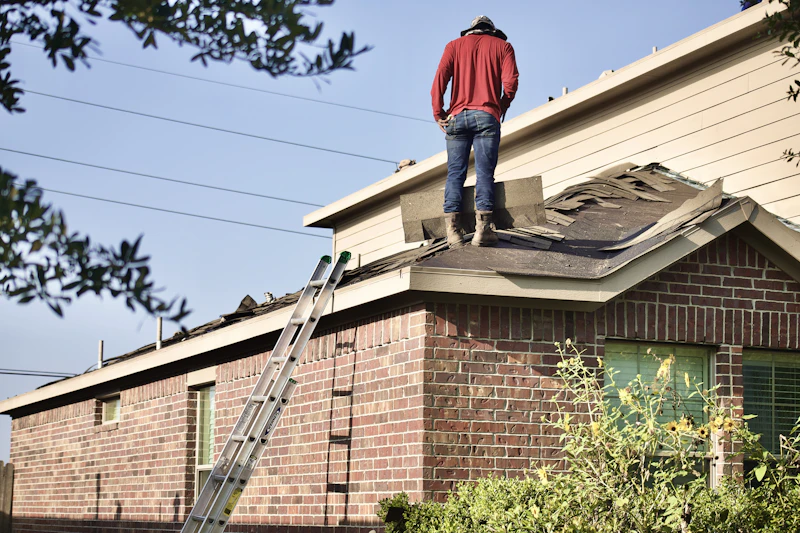
Based on Bureau of Labor Statistics wage data for the Austin-Round Rock-Georgetown metropolitan area, roofing in Austin costs between $2,290 and $15,640, with an average of $5,480.
Roofing Cost Breakdown — Austin, TX
| Service/Item | Low Estimate | Average | High Estimate |
|---|---|---|---|
| Asphalt Shingles (per sq) | $120 | $160 | $240 |
| Metal Roofing (per sq) | $330 | $440 | $630 |
| Flat Roof Repair | $230 | $320 | $490 |
| Full Replacement (2,000 sq ft) | $4,170 | $5,480 | $7,670 |
| Roof Inspection | $20 | $30 | $60 |
| Gutter Installation (per ft) | $10 | $10 | $20 |
The Austin Roofing Market in 2026
Austin's roofing market is experiencing a surge in demand, driven by the city's rapid growth and an increased focus on sustainability. With a thriving tech industry and a strong economy, homeowners are investing in their properties, leading to a high demand for roofing services. However, this demand also means that contractors are often busy, which can impact availability and pricing. The local economy and housing market play a significant role in determining roofing costs in Austin. As the city continues to grow, the demand for new construction and renovations is on the rise, leading to a shortage of skilled labor. According to the Bureau of Labor Statistics, the average hourly labor rate for roofers in the Austin-Round Rock-Georgetown metropolitan area is around $21.86/hr. This rate, combined with the cost of materials, contributes to the overall cost of roofing projects. One trend in roofing in Austin is the increasing popularity of eco-friendly and sustainable roofing options. Homeowners are looking for ways to reduce their environmental footprint, and roofing companies are responding by offering green roofing solutions, such as solar panels and recycled materials. Additionally, the city's hot and dry climate means that energy efficiency is a top priority, and roofing companies are focusing on providing solutions that can help homeowners reduce their energy bills.How Local Housing Stock Affects Your Costs
The age, type, and construction of homes in Austin can significantly impact roofing costs. The city's housing stock is diverse, with a mix of older bungalows in urban cores, newer subdivisions, and slab-on-grade construction. Homes built in the 1970s and 1980s, for example, may have asbestos-containing roofing materials, which can increase the cost of replacement. Newer homes, on the other hand, are often built with more modern roofing materials and designs, which can be more cost-effective to repair or replace. However, these homes may also have more complex roof designs, with multiple valleys and skylights, which can increase the cost of roofing. In Austin's older neighborhoods, common issues include:- Asbestos-containing roofing materials
- Deteriorated flashing and chimney caps
- Roof deck damage from water intrusion
- Poorly installed or defective roofing materials
- Inadequate ventilation and insulation
- Roof damage from hail or high winds
- Submitting plans and specifications for review
- Paying permit fees, which range from $50 to $500
- Passing inspections during and after the work is completed
- Obtain multiple bids from licensed and insured contractors
- Check references and reviews from previous customers
- Verify that the contractor has the necessary permits and licenses
- Consider bundling roofing services with related work, such as gutter installation or siding replacement
- Schedule roofing work during the off-season (usually November to March) to take advantage of lower demand and prices
- Consider installing roofing materials during the spring or fall, when weather conditions are typically more favorable
- Local labor rates — The local labor rate in Austin is $21.86/hr (Bureau of Labor Statistics, 2024), which is approximately 3% lower than the national average. This is largely due to the city's relatively lower cost of living and the presence of a non-unionized workforce. Additionally, the demand for roofing services in Austin is steady, but not excessively high, which helps keep labor rates in check.
- Seasonal demand — In Austin's hot and humid climate, roofing demand peaks during the summer months (June to August) and decreases during the mild winter months. As a result, homeowners can expect to pay a 10-20% premium for roofing services during peak season. Scheduling repairs during the off-season (October to May) can help reduce costs.
- Project scope — The scope of the project is a significant factor in determining roofing costs. A basic repair, such as fixing a few damaged shingles, will cost less than a full replacement of the roof. The gap between low and high estimates can be driven by factors like the complexity of the job, the type of materials needed, and the labor required. A full replacement may involve additional costs for underlayment, flashing, and ventilation.
- Permits & inspections — In Texas, there is no state licensing requirement for contractors, but cities like Austin, Dallas, Houston, and San Antonio require a permit for roofing work. Permit fees in Austin typically range from $50 to $300, depending on the type and scope of the project. Homeowners should factor these costs into their overall budget.
- Materials quality — The quality of materials used can significantly impact roofing costs. Premium materials, such as architectural shingles or metal roofing, can cost 30-50% more than builder-grade materials. For example, a homeowner may choose between basic asphalt shingles and premium materials like GAF Timberline or Owens Corning Duration. The choice of material will depend on factors like durability, appearance, and budget.
- Property characteristics — The type, age, and design of the home can affect roofing costs. For example, a multi-story home with a complex roof design may require more labor and materials than a single-story home with a simple gable roof. In Austin, many homes are built with slab-on-grade construction and feature brick veneer exteriors. Newer subdivisions may have more complex roof designs, which can increase costs.
- Emergency vs scheduled — Emergency roofing repairs, such as those needed after a severe storm, can cost 1.5-2 times more than scheduled repairs. Additionally, weekend and after-hours repairs may incur premium rates. Homeowners should consider scheduling repairs during regular business hours to save on costs.
Permits, Codes, and Regulations in TX
In Texas, there is no state-level licensing requirement for contractors, but cities like Austin require trade-specific permits for roofing work. The City of Austin requires a permit for any roofing work that involves the installation, repair, or replacement of roofing materials. The permit process typically involves:| Permit Type | Cost |
|---|---|
| Roofing Permit | $100-$300 |
| Electrical Permit | $50-$200 |
Getting the Best Value on Roofing
To get the best value on roofing services in Austin, homeowners should consider the following strategies:Roofing in Austin: Climate & Local Conditions
Local hazards that affect roofing work: heat wave, freeze event, flash flooding, expansive clay.
Austin's combination of UV exposure, summer heat, and tropical humidity shortens asphalt shingle life to 12-18 years versus the 25-year national average. Architectural shingles with algae-resistant granules and high SRI ratings are now standard spec.
Climate normals: NOAA 1991-2020 (base 65°F). Zones: IECC 2021.
Roofing Costs vs. Other Texas Cities
How Austin's average ($5,480) compares to other Texas cities using the same BLS methodology:
| City | Average Cost | BLS Hourly Rate | vs. Austin |
|---|---|---|---|
| Dallas | $5,480 | $21.86/hr | +0% |
| Fort Worth | $5,480 | $21.86/hr | +0% |
| Arlington | $5,480 | $21.86/hr | +0% |
| Houston | $5,480 | $21.86/hr | +0% |
| Sugar Land | $5,480 | $21.86/hr | +0% |
What Affects Roofing Costs in Austin?
What Affects Roofing Costs in Austin?
in Austin-Round Rock-Georgetown, TX, understanding the factors that influence roofing costs can help you budget and make informed decisions. Here are the key factors to consider:
Popular Roofing Brands in Austin
Frequently Asked Questions
How much does roofing cost in Austin, TX?
The average cost of roofing in Austin, TX is $5,480. However, costs can range from $2,290 to $15,640 depending on factors such as the size of the roof, materials used, and complexity of the job. According to the Bureau of Labor Statistics, the hourly rate for roofing contractors in Austin is $21.86 per hour, which can translate to higher costs for larger or more complex projects.
Why is roofing less expensive in Austin than the national average?
Roofing costs in Austin, TX are lower than the national average due to lower labor and material costs. The city's relatively low cost of living and abundance of roofing contractors contribute to the lower prices. Additionally, the BLS reported an hourly rate of $21.86 for roofing contractors in Austin, which is lower than in many other major cities.
How can I save money on roofing in Austin?
To save money on roofing in Austin, consider getting multiple quotes from licensed contractors to compare prices. You can also save by choosing cost-effective materials, such as asphalt shingles, and scheduling repairs during the off-season. Furthermore, regular maintenance can extend the life of your roof, reducing the need for costly replacements.
Do I need a permit for roofing in TX?
In Texas, a permit is typically required for roofing work that involves replacing more than 25% of the roof or installing a new roof. Check with the City of Austin or local authorities to determine specific permit requirements for your project. A licensed contractor can also help guide you through the permitting process.
How long does roofing take in Austin?
The duration of a roofing project in Austin depends on the size of the roof, complexity of the job, and weather conditions. On average, a roofing project can take anywhere from a few days to several weeks to complete. A licensed contractor can provide a more accurate estimate of the project timeline based on your specific needs.
What warranty should I expect from a roofing contractor?
A reputable roofing contractor in Austin should offer a warranty that covers materials and workmanship for at least 5-10 years. Some contractors may offer longer warranties or additional guarantees for specific materials or services. Be sure to review and understand the terms of the warranty before hiring a contractor.
What's the best time of year for roofing in Austin?
The best time for roofing in Austin is during the spring (March to May) or fall (September to November), when the weather is mild and dry. These periods offer ideal conditions for roofing work, with minimal risk of extreme weather events or heat-related delays. Avoid roofing during the hot summer months or wet winter months if possible.
