How Much Does Electrical Cost in Austin, TX?
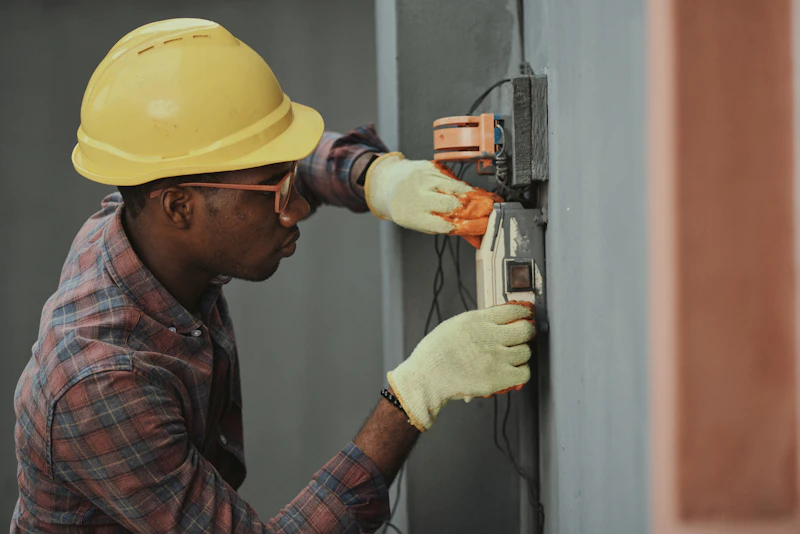
Based on Bureau of Labor Statistics wage data for the Austin-Round Rock-Georgetown metropolitan area, electrical in Austin costs between $80 and $4,600, with an average of $670.
Electrical Cost Breakdown — Austin, TX
| Service/Item | Low Estimate | Average | High Estimate |
|---|---|---|---|
| Outlet Installation | $50 | $70 | $110 |
| Ceiling Fan Install | $170 | $240 | $360 |
| Panel Upgrade (200 amp) | $1,400 | $1,840 | $2,590 |
| EV Charger Install | $740 | $970 | $1,360 |
| Whole House Rewiring | $2,900 | $3,860 | $5,500 |
| Light Fixture Install | $70 | $90 | $150 |
The Austin Electrical Market in 2026
Austin's thriving tech industry and rapid population growth are driving up demand for electrical services. As a result, contractors are often booked solid, making it essential to plan ahead and secure a reliable electrician for your project. The current demand levels and contractor availability in Austin are characterized by a high volume of requests, particularly in areas with new construction and renovations. The local economy, fueled by major industries like tech, healthcare, and education, has a direct impact on pricing. As the housing market continues to grow, so does the need for electrical upgrades and installations. This increased demand contributes to higher prices for electrical services. According to the Bureau of Labor Statistics, the average hourly labor rate for electricians in the Austin-Round Rock-Georgetown metropolitan area is $28.72/hr, which is a significant factor in overall project costs. A notable trend in Austin's electrical market is the emphasis on smart home technology and energy-efficient solutions. Homeowners are increasingly seeking to integrate sustainable features into their properties, driving demand for specialized electrical services. Additionally, the city's focus on renewable energy, particularly solar power, has created a growing need for electrical contractors with expertise in solar panel installations.How Local Housing Stock Affects Your Costs
The age, type, and construction of homes in Austin significantly impact electrical costs. The city's housing stock is characterized by a mix of slab-on-grade construction, brick veneer homes, newer subdivisions, and older bungalows in urban cores. In general, homes built on slab foundations tend to have fewer electrical issues related to foundation movement. However, brick veneer homes may require more extensive electrical work due to the need for specialized wiring and conduit systems. Newer subdivisions often feature modern electrical systems, while older bungalows may require more comprehensive upgrades to meet current electrical standards. Common issues in older homes include outdated electrical panels, knob-and-tube wiring, and insufficient grounding systems. These issues can increase the complexity and cost of electrical projects. In contrast, newer homes are more likely to have modern electrical systems, reducing the need for extensive upgrades. Some specific considerations for Austin homeowners include:- Homes built before the 1980s may have fuse boxes instead of circuit breakers, which can be more expensive to replace.
- Older homes may require asbestos abatement during electrical work, adding to project costs.
- Newer subdivisions may have specific electrical requirements, such as smart home features or energy-efficient systems.
- Electrical permits are required for projects exceeding $500 in labor and materials.
- Inspections are typically required for electrical work, including rough and final inspections.
- Homeowners are responsible for ensuring compliance with local electrical codes and regulations.
- Local labor rates — The local labor rate in Austin is $28.72/hr (Bureau of Labor Statistics, 2024), which is about 3% lower than the national average. This is largely due to the city's relatively lower cost of living and the presence of a smaller union presence compared to other major cities. Additionally, the demand for electrical services in Austin is steady, but not excessively high, which helps keep labor rates in check.
- Seasonal demand — In Austin's hot and humid climate, electrical services are in higher demand during the peak summer months (June to August) when temperatures often reach 95-105°F. As a result, electricians may charge a 10-20% premium for services during this time. Conversely, off-peak seasons (October to May) may offer lower rates.
- Project scope — The scope of your electrical project significantly impacts the overall cost. A basic repair, such as replacing a single outlet, will generally cost less than a full replacement of your electrical panel. The gap between low and high estimates can be driven by factors like the complexity of the work, the number of materials required, and the electrician's expertise.
- Permits & inspections — In Texas, there is no state licensing requirement for contractors, but cities like Austin, Dallas, Houston, and San Antonio require electrical permits and inspections. In Austin, permit fees typically range from $50 to $300, depending on the type and scope of the project.
- Materials quality — The quality of materials used can significantly impact the overall cost of your electrical project. Premium materials, such as high-end circuit breakers or smart home devices, can cost 30-50% more than builder-grade alternatives. For example, choosing a high-end GFCI outlet over a standard one can add to the overall cost.
- Property characteristics — The type, age, and accessibility of your property can affect electrical costs. For instance, homes with slab-on-grade construction, common in Austin, may require more extensive electrical work due to the lack of a crawl space. Additionally, homes with multiple stories or brick veneer exteriors may require more complex and costly electrical installations. Newer subdivisions with modern electrical systems may also have different requirements than older homes.
- Emergency vs scheduled — Emergency or after-hours electrical services can cost 1.5-2 times more than scheduled services. Additionally, weekend premiums may apply, adding to the overall cost. It's essential to plan ahead and schedule electrical work during regular business hours to avoid these extra charges.
Permits, Codes, and Regulations in TX
In Texas, there is no state-level contractor licensing requirement, but cities like Austin, Dallas, Houston, and San Antonio have their own regulations. The Texas Department of Licensing and Regulation (TDLR) licenses HVAC and electrical contractors at the state level. In Austin, trade-specific permits are required for electrical work. Typical permit costs range from $50 to $500, depending on the scope of the project. The permitting process typically takes 2-5 business days, but this timeframe may vary depending on the city's workload. Skipping permits can result in significant consequences, including fines, penalties, and potential delays in project completion. Homeowners who fail to obtain necessary permits may also face difficulties selling their property in the future. Some key regulations to keep in mind:Getting the Best Value on Electrical
To get the best value on electrical services in Austin, consider the following strategies:Negotiation Strategies
* Get multiple bids from licensed electricians to compare prices and services. * Ask about discounts for seniors, military personnel, or first responders. * Consider hiring an electrician during the off-season (usually winter) when demand is lower.Seasonal Discounts and Timing Advantages
* Schedule electrical work during the off-season to take advantage of lower prices. * Consider bundling electrical services with related projects, such as plumbing or HVAC work.Bundling Opportunities
* Combine electrical work with other services, such as lighting installations or appliance hookups. * Ask about package deals or discounts for multiple services. By understanding the local electrical market, housing stock, and regulations, Austin homeowners can make informed decisions about their electrical projects. By negotiating effectively, taking advantage of seasonal discounts, and bundling services, homeowners can get the best value on electrical services in Austin.Electrical in Austin: Climate & Local Conditions
Local hazards that affect electrical work: heat wave, freeze event, flash flooding, expansive clay.
Austin's lightning frequency makes whole-house surge protection a standard panel upgrade; humidity also drives outdoor receptacle corrosion — bubble covers + GFCI in damp locations are code.
Climate normals: NOAA 1991-2020 (base 65°F). Zones: IECC 2021.
Electrical Costs vs. Other Texas Cities
How Austin's average ($670) compares to other Texas cities using the same BLS methodology:
| City | Average Cost | BLS Hourly Rate | vs. Austin |
|---|---|---|---|
| Dallas | $670 | $28.72/hr | +0% |
| Fort Worth | $670 | $28.72/hr | +0% |
| Arlington | $670 | $28.72/hr | +0% |
| Houston | $670 | $28.72/hr | +0% |
| Sugar Land | $670 | $28.72/hr | +0% |
What Affects Electrical Costs in Austin?
What Affects Electrical Costs in Austin?
in Austin-Round Rock-Georgetown, TX, understanding the factors that influence electrical costs can help you budget and plan for your next project. Here are the key considerations:
Popular Electrical Brands in Austin
Frequently Asked Questions
How much does electrical cost in Austin, TX?
The average cost of electrical work in Austin, TX is $670. However, costs can range from $80 to $4,600 depending on the scope of the project. According to the Bureau of Labor Statistics, the hourly rate for electricians in Austin is $28.72. This rate can help estimate costs for smaller projects or repairs.
Why is electrical less expensive in Austin than the national average?
The cost of electrical work in Austin, TX is lower than the national average due to lower labor costs and a competitive market. The BLS reported an hourly rate of $28.72 for electricians in Austin, which is lower than many other major cities in the US. Additionally, the cost of living in Austin is relatively lower compared to other major cities, which helps keep prices down. This makes Austin an attractive location for electrical work.
How can I save money on electrical in Austin?
To save money on electrical work in Austin, consider getting multiple quotes from licensed contractors to compare prices. Scheduling work during off-peak seasons or weekdays can also help reduce costs. Additionally, being clear about the scope of work and avoiding changes or additions to the original plan can help minimize expenses. Finally, consider hiring a contractor who offers a flat rate or project-based pricing to avoid hourly overtime charges.
Do I need a permit for electrical in TX?
In Texas, electrical work typically requires a permit from the local government or municipality. The type of permit needed depends on the scope of the project, with smaller repairs or replacements often not requiring a permit. However, for larger projects or new installations, a permit is usually necessary. Check with your local government or a licensed electrical contractor to determine the specific requirements for your project.
How long does electrical take in Austin?
The duration of electrical work in Austin, TX depends on the complexity and scope of the project. Simple repairs or replacements can take a few hours, while larger projects or installations can take several days or even weeks. On average, electrical contractors in Austin may charge for 1-4 hours of work, but this can vary widely depending on the specifics of the job. Be sure to ask your contractor for a detailed estimate of the time required.
What warranty should I expect from a electrical contractor?
A reputable electrical contractor in Austin, TX should offer a warranty or guarantee on their work. This can range from a 1-year warranty on labor and parts to a longer warranty on specific components or systems. Be sure to ask about the warranty or guarantee offered by your contractor and understand what is covered and for how long. A warranty provides peace of mind and protection in case something goes wrong with the electrical work.
What's the best time of year for electrical in Austin?
The best time for electrical work in Austin, TX is during the spring and fall seasons, when the weather is mild and there are fewer extreme temperatures. Summer months can be hot and busy for electrical contractors, leading to higher demand and potentially longer wait times. Winter months can be cooler, but some electrical work may be more challenging due to holiday schedules and weather conditions. Scheduling electrical work during the spring or fall can help ensure a more convenient and efficient experience.
