How Much Does Electrical Cost in Dallas, TX?
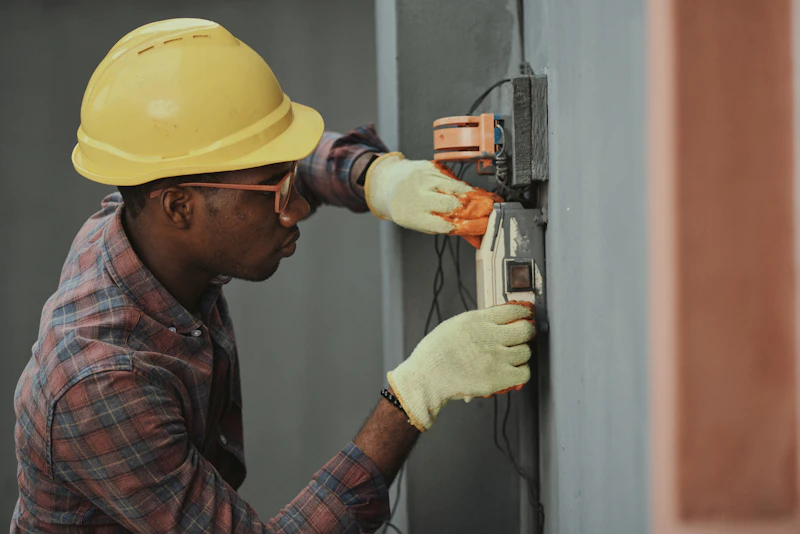
Based on Bureau of Labor Statistics wage data for the Dallas-Fort Worth-Arlington metropolitan area, electrical in Dallas costs between $80 and $4,600, with an average of $670.
Electrical Cost Breakdown — Dallas, TX
| Service/Item | Low Estimate | Average | High Estimate |
|---|---|---|---|
| Outlet Installation | $50 | $70 | $110 |
| Ceiling Fan Install | $170 | $240 | $360 |
| Panel Upgrade (200 amp) | $1,400 | $1,840 | $2,590 |
| EV Charger Install | $740 | $970 | $1,360 |
| Whole House Rewiring | $2,900 | $3,860 | $5,500 |
| Light Fixture Install | $70 | $90 | $150 |
How Electrical Pricing Works in the Dallas-Fort Worth-Arlington Area
In the Dallas-Fort Worth-Arlington area, electrical costs are influenced by a combination of factors, including labor rates, material prices, and local market conditions. The Bureau of Labor Statistics (BLS) reports an average hourly labor rate of $28.72 for electricians in the Dallas-Fort Worth-Arlington metropolitan area. Contractors typically markup this labor rate, along with material costs, to determine their final prices. Compared to the national average, Dallas-Fort Worth-Arlington electrical costs are approximately 3% lower. This regional variation is likely due to the local economy, competition among contractors, and the area's unique housing stock. Dallas is known for its hot and humid summers, with temperatures often reaching 95-105°F, which can increase the demand for electrical services like air conditioning and pool lighting. Mild winters and the risk of severe storms, hail, tornadoes, and hurricanes also impact the types of electrical projects undertaken in the area. The region's housing stock, characterized by slab-on-grade construction, brick veneer, newer subdivisions, and older bungalows in urban cores, also affects electrical costs. For example, older homes may require more extensive electrical upgrades or rewiring, which can increase project costs.What to Expect During the Estimate Process
The estimate process for electrical projects in Dallas typically begins with an initial consultation, either over the phone or in-person. A professional estimator will visit your property to assess the scope of work, take measurements, and identify any specific requirements or challenges. During the estimate visit, you can expect the estimator to: * Inspect your electrical system and identify areas of concern * Discuss your project goals and expectations * Take note of any specific materials or equipment required * Provide a detailed scope of work and timeline for the project The timeline for electrical projects in Dallas can vary depending on the complexity of the work, the availability of materials, and the contractor's schedule. On average, electrical projects can take anywhere from a few days to several weeks to complete.DIY vs. Professional Electrical: When It Makes Sense
| Safe for DIY | Hire a Pro |
|---|---|
| Installing light fixtures or ceiling fans | Electrical panel upgrades or replacements |
| Replacing outlets or switches | Running new electrical wiring or circuits |
| Installing smart home devices | Electrical system inspections or troubleshooting |
| GFCI outlet installations in kitchens or bathrooms | |
| Electrical work involving high-voltage systems or complex circuitry |
Questions to Ask Before Signing a Contract
Before hiring an electrician in Dallas, it's essential to verify their credentials and ensure they are properly licensed and insured. In Texas, there is no state-level contractor licensing requirement, but cities like Dallas, Houston, Austin, and San Antonio have their own regulations. The Texas Department of Licensing and Regulation (TDLR) licenses HVAC and electrical contractors at the state level. When obtaining estimates, ask the following questions:- Are you licensed and insured to work in the city of Dallas?
- Can you provide references from previous clients?
- What is your experience with projects similar to mine?
- What is the scope of work, and what does it include?
- What is the estimated timeline for the project, and what are the working hours?
- What kind of warranty or guarantee do you offer for your work?
Electrical in Dallas: Climate & Local Conditions
Local hazards that affect electrical work: hail, tornado, expansive clay soil, heat wave.
Dallas's lightning exposure is among the highest in the U.S. — whole-house surge protection (Type 2 SPD at the panel) is a common upgrade alongside any service-equipment work.
Climate normals: NOAA 1991-2020 (base 65°F). Zones: IECC 2021.
Electrical Costs vs. Other Texas Cities
How Dallas's average ($670) compares to other Texas cities using the same BLS methodology:
| City | Average Cost | BLS Hourly Rate | vs. Dallas |
|---|---|---|---|
| Fort Worth | $670 | $28.72/hr | +0% |
| Arlington | $670 | $28.72/hr | +0% |
| Houston | $670 | $28.72/hr | +0% |
| Sugar Land | $670 | $28.72/hr | +0% |
| The Woodlands | $670 | $28.72/hr | +0% |
What Affects Electrical Costs in Dallas?
What Affects Electrical Costs in Dallas?
in the Dallas-Fort Worth-Arlington area, understanding the factors that influence electrical costs can help you budget and plan for necessary repairs and upgrades. Here are the key factors to consider:
- Local labor rates — The Dallas area has a labor rate of $28.72/hr (Bureau of Labor Statistics, 2024), which is about 3% lower than the national average. This is largely due to the relatively lower cost of living in Texas compared to other states, as well as a moderate presence of unions and a steady supply of skilled electricians to meet demand.
- Seasonal demand — In the hot and humid Dallas climate, electrical demand peaks during the summer months when temperatures often reach 95-105°F. As a result, electricians may charge a 10-20% premium for services during peak summer months (June to August) compared to off-peak seasons.
- Project scope — The scope of the electrical project can significantly impact costs. A basic repair, such as replacing a faulty outlet, will generally cost less than a full replacement of an electrical panel or a comprehensive rewiring of a home. The complexity and extent of the work required drive the gap between low and high estimates.
- Permits & inspections — While there is no state contractor licensing requirement in Texas, cities like Dallas, Houston, Austin, and San Antonio require electrical permits and inspections. Permit fees in Dallas typically range from $50 to $300, depending on the type and scope of the project.
- Materials quality — The quality of materials used can also impact electrical costs. Premium materials, such as high-end circuit breakers or smart home devices, can cost 30-50% more than builder-grade alternatives. For example, a high-end GFCI outlet may cost more than a standard model.
- Property characteristics — The type, age, and accessibility of a home can affect electrical costs. For instance, homes with slab-on-grade construction, common in Dallas, may require more extensive and costly electrical work. Additionally, homes with multiple stories or complex electrical systems may require more time and labor to access and repair.
- Emergency vs scheduled — Emergency or after-hours electrical services can cost 1.5-2 times more than scheduled services. Weekend premiums may also apply, adding to the overall cost. It's essential to plan ahead and schedule electrical work during regular business hours to avoid these additional costs.
Popular Electrical Brands in Dallas
Frequently Asked Questions
How much does electrical cost in Dallas, TX?
The average cost of electrical work in Dallas, TX is $670. However, costs can range from $80 to $4,600 depending on the scope of the project. According to the Bureau of Labor Statistics, the hourly rate for electricians in Dallas is $28.72 per hour. This rate can help estimate costs for smaller projects or repairs.
Why is electrical less expensive in Dallas than the national average?
The cost of electrical work in Dallas, TX is lower than the national average due to lower labor costs and a competitive market. The BLS reported an average hourly rate of $28.72 for electricians in Dallas, which is lower than many other major cities in the US. Additionally, the cost of living in Dallas is relatively lower compared to other major metropolitan areas. This competition and lower cost of living help keep prices lower for consumers.
How can I save money on electrical in Dallas?
To save money on electrical work in Dallas, consider getting multiple quotes from licensed contractors to compare prices. Scheduling work during off-peak seasons or weekdays can also help reduce costs. Additionally, being prepared and having a clear plan for the project can help minimize labor hours and costs. Finally, consider doing smaller tasks or maintenance yourself, but always hire a professional for complex or high-risk electrical work.
Do I need a permit for electrical in TX?
In Texas, electrical permits are required for most electrical work, including new installations, repairs, and upgrades. The type of permit required will depend on the scope of the project. It's best to consult with a licensed electrical contractor or check with your local government for specific requirements. They can help guide you through the process and ensure compliance with local regulations.
How long does electrical take in Dallas?
The duration of electrical work in Dallas, TX can vary greatly depending on the complexity of the project. Simple repairs or installations may take a few hours, while larger projects can take several days or even weeks. On average, electrical contractors in Dallas may charge for 2-8 hours of work, depending on the task. Be sure to discuss project timelines with your contractor to get a better understanding of what to expect.
What warranty should I expect from a electrical contractor?
A reputable electrical contractor in Dallas, TX should offer a warranty or guarantee for their work. This can range from a 1-5 year warranty on labor and parts, depending on the type of work and materials used. Be sure to ask about their warranty policy and what's covered before hiring a contractor. A warranty provides peace of mind and protection for your investment.
What's the best time of year for electrical in Dallas?
The best time for electrical work in Dallas, TX is during the spring and fall seasons, when the weather is mild and there are fewer extreme temperatures. Summer and winter months can be busier for electrical contractors, as they often involve HVAC and lighting work. Scheduling work during the off-season can help you avoid peak demand rates and potentially save on costs.
