How Much Does Bathroom Remodel Cost in Atlanta, GA?
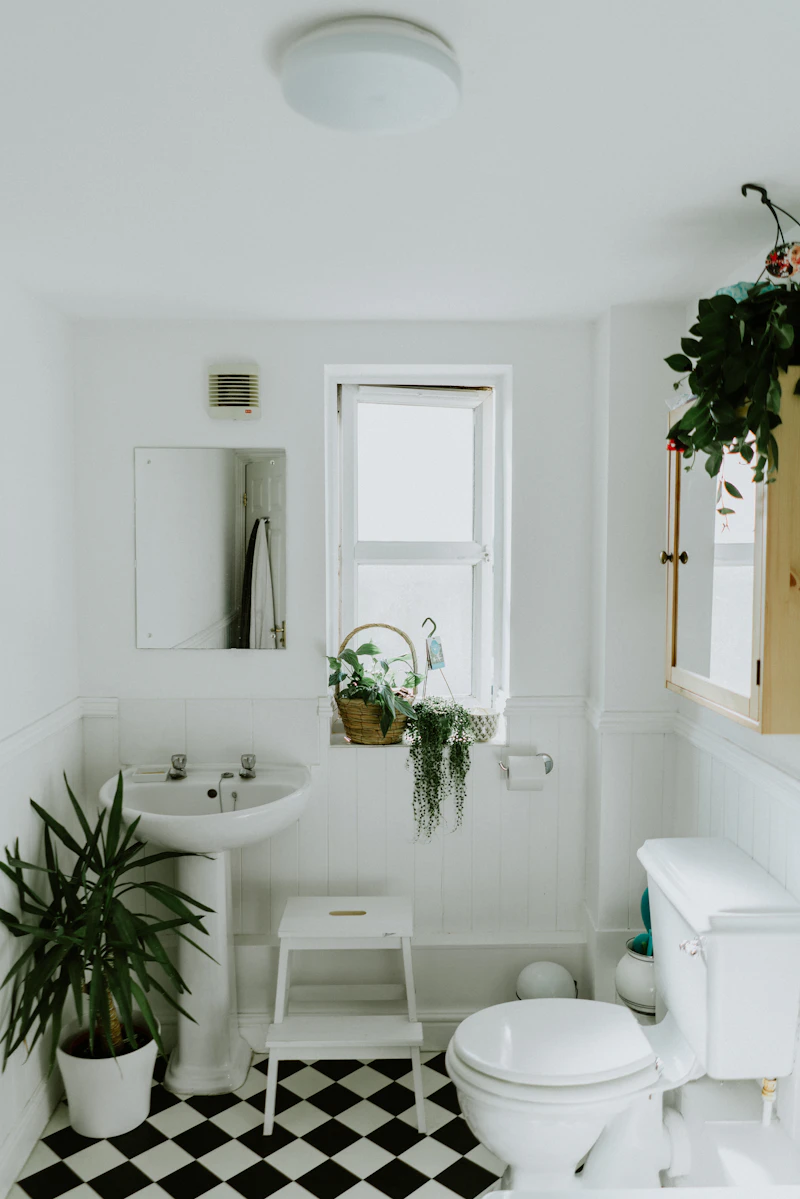
Based on Bureau of Labor Statistics wage data for the Atlanta-Sandy Springs-Alpharetta metropolitan area, bathroom remodel in Atlanta costs between $2,530 and $23,400, with an average of $7,260.
Bathroom Remodel Cost Breakdown — Atlanta, GA
| Service/Item | Low Estimate | Average | High Estimate |
|---|---|---|---|
| Vanity + Sink Install | $770 | $1,030 | $1,460 |
| Shower/Tub Replacement | $1,950 | $2,600 | $3,720 |
| Tile Work (floor + walls) | $1,640 | $2,250 | $3,350 |
| Toilet Replacement | $310 | $410 | $600 |
| Full Gut Remodel | $8,160 | $11,010 | $16,000 |
| Fixture Upgrade Package | $1,140 | $1,500 | $2,120 |
How Bathroom Remodel Pricing Works in the Atlanta-Sandy Springs-Alpharetta Area
In Atlanta, GA, bathroom remodel costs reflect a complex interplay of factors unique to this market. The Bureau of Labor Statistics (BLS) reports an average labor rate of $25.08/hr for construction professionals in the Atlanta area. Contractors typically apply a markup to this base rate, which contributes to the overall cost of a bathroom remodel. Atlanta's bathroom remodel costs are approximately 5% lower than the national average. This regional variation can be attributed to local economic conditions, competition among contractors, and the availability of materials. The Atlanta area's climate plays a significant role in bathroom remodel costs. Hot and humid summers, characterized by temperatures often reaching 90-100°F, necessitate the use of mold- and mildew-resistant materials. Mild winters reduce the need for extensive weatherproofing measures. However, the region's red clay soil can cause foundation shifts, and heavy termite pressure requires additional protective measures. Afternoon thunderstorms common in the area also influence construction methods and material choices. The housing stock in Atlanta, with a significant portion built after 2000, features modern construction techniques, including slab-on-grade foundations. Older homes, however, often have crawl spaces, which can complicate remodel projects. Brick ranch-style homes are prevalent in the area, and their design and construction impact remodel costs.What to Expect During the Estimate Process
The journey from initial contact to project completion involves several key steps. 1. **Initial Contact**: A homeowner reaches out to a contractor, either through a referral, online search, or word of mouth. 2. **Pre-Estimate Visit**: A professional estimator visits the site to assess the project's scope, taking note of existing conditions, measurements, and potential challenges. 3. **Estimate Preparation**: The contractor prepares a detailed estimate, including materials, labor, and a timeline. 4. **Project Kickoff**: Upon agreement, the project begins, with the contractor overseeing demolition, installation, and finishing work. A professional estimate visit typically includes: - A thorough walk-through of the bathroom - Identification of potential issues, such as water damage or structural concerns - Measurement and documentation of the space - Discussion of the homeowner's goals and preferences In Atlanta, the timeline for a bathroom remodel can vary depending on the project's complexity and scope. On average, a bathroom remodel can take anywhere from 2 to 6 weeks to complete.DIY vs. Professional Bathroom Remodel: When It Makes Sense
| Task | Safe for DIY | Hire a Pro |
|---|---|---|
| Painting and finishing work | Yes | |
| Demolition and removal of existing fixtures | Yes | |
| Plumbing and electrical work | Yes | |
| Tile installation | Yes | |
| Permitting and code compliance | Yes | |
| Material selection and procurement | Yes |
Questions to Ask Before Signing a Contract
In Georgia, certain trades, such as low-voltage, plumbing, and conditioned air, require state licensing. Local jurisdictions, including Atlanta, handle permits and have specific requirements. The Georgia Energy Code applies to HVAC and insulation work. Before signing a contract, verify the following: 1. **Contractor's License and Insurance**: Ensure the contractor is properly licensed and insured. 2. **Project Timeline and Schedule**: Clarify the project timeline, including start and completion dates. 3. **Materials and Labor**: Understand the materials and labor costs, as well as any potential changes or upgrades. 4. **Permits and Code Compliance**: Confirm that the contractor will obtain necessary permits and comply with local building codes. 5. **Payment Terms and Warranty**: Review payment terms, including deposits and payment schedules, and understand the warranty offered. 6. **Communication Plan**: Establish a communication plan to ensure regular updates and issue resolution. When evaluating contractors, be aware of potential red flags, such as: - Unusually low bids - Lack of transparency regarding materials, labor, or timeline - Unwillingness to provide references or proof of licensing and insurance - Pressure to sign a contract immediately By asking the right questions and understanding the local market, homeowners can make informed decisions and ensure a successful bathroom remodel in Atlanta, GA.Bathroom Remodel in Atlanta: Climate & Local Conditions
Local hazards that affect bathroom remodel work: humidity mold, tornado, red clay soil.
Atlanta bathrooms require code-compliant ventilation plus moisture-tolerant assemblies — cement-board behind tile, waterproof membranes on shower walls, and ducted (not roof-vented) exhaust.
Climate normals: NOAA 1991-2020 (base 65°F). Zones: IECC 2021.
Bathroom Remodel Costs vs. Other Georgia Cities
How Atlanta's average ($7,260) compares to other Georgia cities using the same BLS methodology:
| City | Average Cost | BLS Hourly Rate | vs. Atlanta |
|---|---|---|---|
| Sandy Springs | $7,260 | $25.08/hr | +0% |
| Alpharetta | $7,260 | $25.08/hr | +0% |
What Affects Bathroom Remodel Costs in Atlanta?
What Affects Bathroom Remodel Costs in Atlanta?
Homeowners in Atlanta-Sandy Springs-Alpharetta, GA, should consider several factors when planning a bathroom remodel. From local labor rates to seasonal demand, understanding these elements can help you budget and plan for a successful renovation.
- Local labor rates — The Atlanta area has a labor rate of $25.08/hr (Bureau of Labor Statistics, 2024), which is -5% compared to the national average. This lower rate is influenced by the region's cost of living, limited union presence, and moderate demand for construction services. As a result, homeowners may find more competitive pricing for labor costs.
- Seasonal demand — In Atlanta's climate, bathroom remodels are typically in higher demand during the spring and fall, when the weather is mild. Conversely, summer and winter months see lower demand, which can translate to 10-20% lower costs during the off-peak seasons. Scheduling your remodel during these periods can help you save on labor and material costs.
- Project scope — The extent of your bathroom remodel significantly impacts the overall cost. A basic repair, such as fixing a leaky faucet, will naturally cost less than a full replacement of fixtures, tile, and plumbing. The gap between low and high estimates is driven by the complexity of the project, the number of materials required, and the labor hours needed to complete the job.
- Permits & inspections — In Georgia, certain trades like plumbing, low-voltage work, and conditioned air require state licensing. Local jurisdictions, such as the City of Atlanta or Fulton County, handle permit fees, which typically range from $50 to $300. These costs are essential to factor into your remodel budget, as they ensure your project meets local building codes and safety standards.
- Materials quality — The choice of materials can significantly affect your bathroom remodel costs. Opting for premium materials, such as high-end tile, solid-surface countertops, or luxury fixtures, can result in a 30-50% price difference compared to builder-grade options. For example, selecting a high-end shower system or custom cabinetry can greatly increase your material costs.
- Property characteristics — The type, age, and accessibility of your home can impact bathroom remodel costs. Newer constructions (post-2000) with modern plumbing and electrical systems may require less work to prepare for a remodel. In contrast, older homes, brick ranches, or slab-on-grade constructions may need additional repairs or modifications, increasing the overall cost. Additionally, multi-story homes or those with limited access may require more labor hours, adding to the expense.
- Emergency vs scheduled — Emergency or after-hours service calls can incur 1.5-2x higher rates compared to scheduled work. Weekend premiums may also apply, adding to the overall cost. Planning your remodel in advance and scheduling work during regular business hours can help minimize these extra expenses.
Popular Bathroom Remodel Brands in Atlanta
Frequently Asked Questions
How much does bathroom remodel cost in Atlanta, GA?
The average cost of a bathroom remodel in Atlanta, GA is $7,260. However, costs can range from $2,530 to $23,400 depending on the scope and complexity of the project. According to the Bureau of Labor Statistics, the average hourly rate for a licensed contractor in Atlanta is $25.08, which can contribute to the overall cost.
Why is bathroom remodel less expensive in Atlanta than the national average?
The Atlanta-Sandy Springs-Alpharetta metro area has a lower cost of living compared to other major US cities, which can contribute to lower labor and material costs. Additionally, the local market conditions and competition among contractors may also play a role in keeping costs relatively lower. The national average cost is not provided, but Atlanta's average cost of $7,260 is lower than what one might expect in other major metropolitan areas.
How can I save money on bathroom remodel in Atlanta?
To save money on a bathroom remodel in Atlanta, consider having the work done during the off-season, typically winter or early spring. You can also save by doing some of the demolition or preparation work yourself. Furthermore, being flexible with your material choices and opting for more affordable options can help reduce costs. Lastly, getting multiple quotes from licensed contractors and comparing prices can also help you find the best deal.
Do I need a permit for bathroom remodel in GA?
In Georgia, permits are required for bathroom remodels that involve plumbing, electrical, or HVAC work. The specific requirements may vary depending on the city or county you live in within the Atlanta metro area. It's best to check with your local government or a licensed contractor to determine if a permit is needed for your project.
How long does bathroom remodel take in Atlanta?
The duration of a bathroom remodel in Atlanta can vary greatly depending on the scope of the project. On average, a bathroom remodel can take anywhere from a few days to several weeks. Factors such as the availability of materials, the complexity of the work, and the contractor's schedule can all impact the project timeline.
What warranty should I expect from a bathroom remodel contractor?
A reputable bathroom remodel contractor in Atlanta should offer a warranty on their work. Typically, you can expect a warranty to cover labor and materials for at least one year. Some contractors may offer extended warranties or guarantees on specific components, such as plumbing or electrical work. Be sure to ask about the warranty and what is covered before hiring a contractor.
What's the best time of year for bathroom remodel in Atlanta?
The best time for a bathroom remodel in Atlanta is during the spring and fall seasons, when the weather is mild and there is less humidity. These conditions can make it easier for contractors to work on your project and reduce the risk of delays due to weather. Additionally, scheduling your remodel during these seasons may help you avoid higher prices and increased demand during the peak summer months.
