How Much Does Roofing Cost in Atlanta, GA?
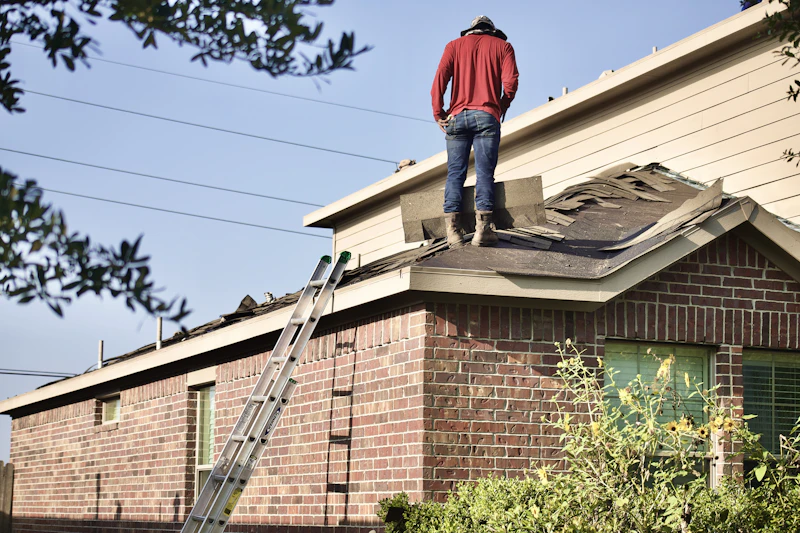
Based on Bureau of Labor Statistics wage data for the Atlanta-Sandy Springs-Alpharetta metropolitan area, roofing in Atlanta costs between $2,280 and $15,570, with an average of $5,460.
Roofing Cost Breakdown — Atlanta, GA
| Service/Item | Low Estimate | Average | High Estimate |
|---|---|---|---|
| Asphalt Shingles (per sq) | $120 | $160 | $240 |
| Metal Roofing (per sq) | $330 | $440 | $620 |
| Flat Roof Repair | $230 | $320 | $480 |
| Full Replacement (2,000 sq ft) | $4,160 | $5,460 | $7,630 |
| Roof Inspection | $20 | $30 | $60 |
| Gutter Installation (per ft) | $10 | $10 | $20 |
Is It Time for Roofing? Warning Signs
Atlanta's humid subtropical climate, characterized by sweltering summers and mild winters, can be particularly harsh on roofs. The region's red clay soil, prone to shifting foundations, and heavy termite pressure, further exacerbate the wear and tear on roofing systems. Afternoon thunderstorms, common in the area, can also cause sudden and unexpected damage. Given these conditions, it's essential to monitor your roof's condition closely. Peak season for roofing in Atlanta typically coincides with the dry, mild winter months (December to February), while off-peak season spans the hot, humid summer months (June to August). However, due to the unpredictable nature of weather-related damages, emergency repairs can arise at any time. Here are some timing tips to consider: * Schedule routine inspections during off-peak seasons to avoid higher demand and potential price hikes. * Plan for roof replacements during the winter months when contractors are less busy. * Consider postponing repairs if you can, but prioritize them if you notice significant damage or leaks. * Keep an eye on weather forecasts during severe storms, and address any damage promptly to prevent further issues. * Be prepared for emergency rates to apply during severe weather events or if you experience sudden, catastrophic damage. Emergency rates typically apply when urgent repairs are necessary, such as during severe storms or when your home is compromised. To avoid these higher rates, stay vigilant about your roof's condition, and address any issues promptly.What Drives Price Differences Between Contractors
The cost of roofing in Atlanta is influenced by several factors, including the local labor market. According to the Bureau of Labor Statistics, the mean hourly labor rate for roofers in the Atlanta area is $21.41. Contractors typically apply a markup to this base rate, which can vary depending on the company, the complexity of the project, and the materials used. Compared to the national average, Atlanta's roofing costs are approximately 5% lower. This disparity can be attributed to local market conditions, including the prevalence of newer construction (post-2000) and the dominance of brick ranch-style homes, often built on slab-on-grade foundations or crawl spaces. The region's unique climate and soil conditions also contribute to the pricing dynamics. The hot, humid summers and mild winters in Atlanta lead to increased wear on roofing materials, while the red clay soil's tendency to shift foundations can cause structural stress. Heavy termite pressure and afternoon thunderstorms further complicate roofing projects. Contractors must consider these factors when estimating project costs, which can result in varying prices between companies.Financing Options for Roofing in GA
Many contractors in Atlanta offer financing options to help homeowners manage the costs of roofing projects. These may include: * Payment plans with 0% interest for a specified period * Home equity loans or lines of credit * Personal loans with competitive interest rates Financing can make sense when: * You need to address urgent repairs or replacements * You want to spread the cost over time * You're taking advantage of a 0% interest promotion However, it's essential to carefully evaluate the terms and conditions of any financing agreement to ensure you understand the total cost and any associated fees.How to Avoid Overpaying in Atlanta
To avoid overpaying for roofing services in Atlanta, consider the following strategies: * Negotiate with contractors to ensure you're getting a fair price * Schedule projects during off-peak seasons to take advantage of lower demand * Bundle roofing services with related projects, such as gutter installation or siding replacement, to secure discounts * Research local contractors and compare prices to ensure you're getting a competitive rate By being informed and proactive, you can make smart decisions about your roofing project and avoid unnecessary expenses.Roofing in Atlanta: Climate & Local Conditions
Local hazards that affect roofing work: humidity mold, tornado, red clay soil.
Atlanta's hurricane and tropical-storm exposure drives the regional spec: secondary water barrier (peel-and-stick underlayment), ring-shank nails, and FBC product approval are typical code requirements; high-wind ratings of 130-180 mph apply in coastal zones.
Climate normals: NOAA 1991-2020 (base 65°F). Zones: IECC 2021.
Roofing Costs vs. Other Georgia Cities
How Atlanta's average ($5,460) compares to other Georgia cities using the same BLS methodology:
| City | Average Cost | BLS Hourly Rate | vs. Atlanta |
|---|---|---|---|
| Sandy Springs | $5,460 | $21.41/hr | +0% |
| Alpharetta | $5,460 | $21.41/hr | +0% |
What Affects Roofing Costs in Atlanta?
What Affects Roofing Costs in Atlanta?
in Atlanta-Sandy Springs-Alpharetta, GA, understanding the factors that influence roofing costs can help you budget and make informed decisions. Here are the key factors to consider:
- Local labor rates — The Atlanta area has a labor rate of $21.41/hr (Bureau of Labor Statistics, 2024), which is about 5% lower than the national average. This is largely due to the city's cost of living, which is relatively lower compared to other major metropolitan areas in the United States. Additionally, the presence of non-union contractors and a competitive market contribute to the lower labor rates. With a large number of contractors vying for work, prices remain relatively affordable for homeowners.
- Seasonal demand — In Atlanta's climate, roofing demand peaks during the summer months (June to August) when afternoon thunderstorms and hot temperatures can cause roofing issues. During this period, contractors often charge a 10-20% premium for their services due to the high demand. Conversely, off-peak seasons (October to May) tend to offer lower prices and faster scheduling.
- Project scope — The scope of the project significantly impacts roofing costs. A basic repair, such as fixing a few damaged shingles, can cost substantially less than a full replacement. The gap between low and high estimates is driven by factors like the extent of damage, roof size, and complexity of the job. For example, a simple repair might involve replacing a few shingles, while a full replacement requires purchasing new materials and labor for the entire roof.
- Permits & inspections — In Georgia, certain trades, such as low-voltage, plumbing, and conditioned air, require state licensing. Local jurisdictions, like the City of Atlanta and Fulton County, handle permit fees, which typically range from $50 to $300. These fees ensure that contractors meet minimum standards and that work is inspected for safety and quality.
- Materials quality — The quality of materials used can significantly impact roofing costs. Premium materials, such as architectural shingles or metal roofing, can cost 30-50% more than builder-grade materials. For example, a homeowner might choose between basic asphalt shingles and high-end clay tile roofing. Specific material choices for roofing in Atlanta include asphalt shingles, metal roofing, and tile roofing, each with its own price point and durability.
- Property characteristics — The type, age, and accessibility of a property can affect roofing costs. Newer constructions (post-2000) with simple roof designs tend to be less expensive to repair or replace. In contrast, older homes, brick ranches, or slab-on-grade constructions may require more labor and materials due to their design and foundation. Additionally, multi-story homes or those with complex roof designs can increase costs due to the need for specialized equipment and labor.
- Emergency vs scheduled — Emergency or after-hours roofing services often come with a premium, with rates 1.5-2 times higher than scheduled services. Weekend premiums can also apply, adding to the overall cost. Homeowners should consider scheduling repairs during regular business hours to avoid these extra charges.
Popular Roofing Brands in Atlanta
Frequently Asked Questions
How much does roofing cost in Atlanta, GA?
The average cost of roofing in Atlanta, GA is $5,460. However, costs can range from $2,280 to $15,570 depending on factors such as the size of the roof, materials used, and complexity of the job. According to the Bureau of Labor Statistics, the hourly rate for roofing contractors in Atlanta is $21.41 per hour.
Why is roofing less expensive in Atlanta than the national average?
Roofing costs in Atlanta, GA are lower than the national average due to lower labor costs and a competitive market. The BLS reported an average hourly rate of $21.41 for roofing contractors in Atlanta, which is lower than many other metropolitan areas. Additionally, the cost of living in Atlanta is relatively lower compared to other major cities in the US.
How can I save money on roofing in Atlanta?
To save money on roofing in Atlanta, consider getting multiple quotes from licensed contractors to compare prices. You can also save by choosing cost-effective materials, such as asphalt shingles, and scheduling roof replacements during the off-season. Furthermore, regular maintenance can extend the life of your roof, delaying the need for a costly replacement.
Do I need a permit for roofing in GA?
In Georgia, a permit is required for roofing work that involves the replacement or installation of a new roof. The permit ensures that the work meets local building codes and regulations. Your roofing contractor should handle obtaining the necessary permits, but it's essential to confirm with them beforehand.
How long does roofing take in Atlanta?
The duration of a roofing project in Atlanta depends on the size of the roof, complexity of the job, and weather conditions. On average, a roofing project can take anywhere from a few days to several weeks to complete. A typical residential roofing replacement can be completed within 2-5 days, assuming favorable weather conditions.
What warranty should I expect from a roofing contractor?
A reputable roofing contractor in Atlanta should offer a comprehensive warranty that covers both materials and labor. A standard warranty typically ranges from 5-20 years, depending on the contractor and materials used. Look for a contractor that offers a warranty that aligns with the expected lifespan of the roofing materials.
What's the best time of year for roofing in Atlanta?
The best time for roofing in Atlanta is during the spring (March to May) and fall (September to November), when the weather is mild and dry. These periods offer ideal conditions for roofing work, with minimal risk of extreme weather events. Avoid roofing during the hot summer months or cold winter months, if possible, to ensure a safer and more efficient installation process.
