How Much Does Roofing Cost in Minneapolis, MN?
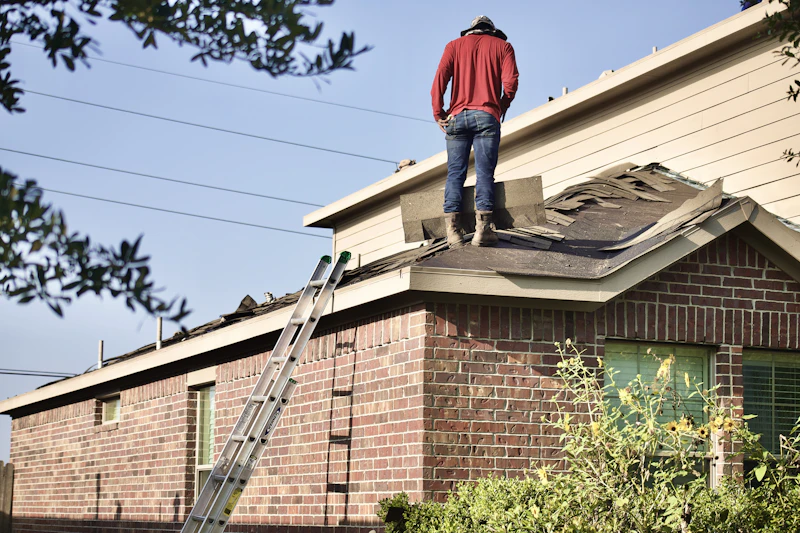
Based on Bureau of Labor Statistics wage data for the Minneapolis-St. Paul-Bloomington metropolitan area, roofing in Minneapolis costs between $2,300 and $15,870, with an average of $5,540.
Roofing Cost Breakdown — Minneapolis, MN
| Service/Item | Low Estimate | Average | High Estimate |
|---|---|---|---|
| Asphalt Shingles (per sq) | $120 | $170 | $250 |
| Metal Roofing (per sq) | $340 | $450 | $640 |
| Flat Roof Repair | $240 | $330 | $500 |
| Full Replacement (2,000 sq ft) | $4,210 | $5,540 | $7,780 |
| Roof Inspection | $20 | $30 | $60 |
| Gutter Installation (per ft) | $10 | $10 | $20 |
Why Roofing Costs Vary in Minneapolis
In Minneapolis, roofing costs are influenced by a unique combination of local factors. The Bureau of Labor Statistics (BLS) reports an average labor rate of $23.22/hr for roofers in the Minneapolis-St.
Paul-Bloomington area. Contractors typically apply a markup to this rate, which contributes to the overall cost of roofing projects.
Compared to the national average, Minneapolis roofing costs are approximately 3% higher.
This premium is largely due to the city's extreme climate, characterized by temperatures often below -20°F, heavy snow loads of 30-50 lbs/sqft on roofs, and the formation of ice dams caused by temperature cycling.
These conditions demand high-quality roofing materials and installation methods, increasing costs. Homeowners may also want to compare bathroom remodel costs in Minneapolis.
The local housing stock, dominated by rambler/ranch and split-entry styles with basements, also plays a role in roofing costs.
The prevalence of brick and vinyl siding, combined with the deep frost line, requires specialized installation techniques and materials. Furthermore, the short construction season in Minneapolis means contractors must work efficiently, which can impact pricing.
Comparing Quotes: Budget vs. Mid-Range vs. Premium
| Feature | Budget | Mid-Range | Premium |
|---|---|---|---|
| Materials | Basic asphalt shingles | Architectural shingles | High-end metal or tile |
| Warranty | Basic manufacturer warranty | Extended manufacturer warranty | Comprehensive warranty including labor |
| Timeline | Quick installation, potentially lower quality | Standard installation schedule | Detailed project timeline, thorough inspection |
| Labor Quality | Less experienced labor | Skilled, experienced labor | Master craftsmen, highly experienced |
| Additional Features | Minimal extras | Standard features (e.g., ridge vent) | Advanced features (e.g., solar reflective roofing, enhanced ventilation) |
Seasonal Pricing Patterns in MN
Roofing costs in Minneapolis are affected by the local climate and construction season. Peak season, typically late spring to early fall, sees higher demand and prices. In contrast, off-peak seasons offer potential savings but come with challenges like weather-related delays.
Here are some timing tips to consider:
- Schedule inspections and estimates during off-peak seasons to potentially lower costs.
- Plan for roof replacements during late spring or early fall to balance weather conditions and contractor availability.
- Be prepared for emergency rates during extreme weather events or when dealing with sudden, severe roof damage.
- Consider scheduling maintenance and repairs during off-peak seasons to extend roof lifespan.
- Emergency rates can be avoided by regular inspections and proactive maintenance.
- State licensing and local permits.
- Insurance and bonding.
- Manufacturer certifications and product warranties.
- Physical address and reputation in the local community.
- Detailed, itemized estimates and clear communication.
- Unusually low bids or pressure to sign quickly.
- Lack of transparency regarding materials, labor, or warranties.
- No physical address or unclear contact information.
- Can you provide references and examples of previous work?
- What materials will you use, and why?
- What is the project timeline, and what are the potential risks?
- Local labor rates — The Minneapolis area has a labor rate of $23.22/hr (Bureau of Labor Statistics, 2024), which is 3% higher than the national average. This is largely due to the city's high cost of living, the presence of unionized workers, and the strong demand for skilled labor. These factors contribute to higher labor costs, which are then passed on to homeowners.
- Seasonal demand — In Minneapolis, the roofing season is short and highly competitive. As a result, contractors often charge a premium for work done during peak season (spring-fall), which can be 10-20% higher than off-peak rates. Scheduling your project during the off-season (winter) may help you save on labor costs.
- Project scope — The extent of the project significantly impacts the overall cost. A basic repair job will naturally cost less than a full replacement. Factors like the size of the roof, extent of damage, and complexity of the job contribute to the gap between low and high estimates. A thorough assessment of your roof's condition will help determine the scope of work required.
- Permits & inspections — In Minnesota, most trades require state licensing, and Minneapolis/St. Paul have additional requirements. Homeowners are typically responsible for obtaining permits, which can range from $50 to $300. Inspections are also necessary to ensure compliance with local building codes.
- Materials quality — The type and quality of materials used can significantly impact the overall cost. Premium materials, such as architectural shingles or metal roofing, can cost 30-50% more than builder-grade options. Popular roofing materials in Minneapolis include asphalt shingles, metal roofing, and cedar shakes.
- Property characteristics — The type, age, and accessibility of your home can affect pricing. For example, a rambler or ranch-style home with a simple roof design may be less expensive to repair than a multi-story home with a complex roofline. Additionally, homes with basements (common in Minneapolis) may require deeper frost walls, adding to the project's complexity.
- Emergency vs scheduled — Emergency or after-hours service calls often come with a premium, with rates 1.5-2x higher than scheduled appointments. Weekend premiums may also apply. Planning ahead and scheduling your project during regular business hours can help minimize costs.
Emergency rates apply during severe weather events or when immediate repairs are necessary. Regular maintenance and inspections can help prevent sudden, costly repairs.
Hiring the Right Contractor in Minneapolis
In Minnesota, most trades require state licensing, and Minneapolis/St. Paul have additional requirements.
Permits are required for almost all roofing work, and the energy code is particularly aggressive due to the cold climate.
Insulation and ICF (Insulated Concrete Forms) requirements exceed national standards. See how costs compare: kitchen remodel costs in Minneapolis.
When hiring a contractor, verify the following:
Red flags to watch for include:
During estimates, ask questions like:
Roofing in Minneapolis: Climate & Local Conditions
Local hazards that affect roofing work: extreme cold, freeze thaw, hail, tornado.
Minneapolis's deep snow and prolonged freeze cycles make ice dam prevention central. Standing-seam metal roofs and properly air-sealed, well-ventilated attics outperform shingles long-term in this climate.
Climate normals: NOAA 1991-2020 (base 65°F). Zones: IECC 2021.
What Affects Roofing Costs in Minneapolis?
What Affects Roofing Costs in Minneapolis?
in Minneapolis-St. Paul-Bloomington, MN, understanding the factors that influence roofing costs can help you budget and plan for your next project. Here are the key considerations:
Popular Roofing Brands in Minneapolis
Frequently Asked Questions
How much does roofing cost in Minneapolis, MN?
The average cost of roofing in Minneapolis, MN is $5,540. However, costs can range from $2,300 to $15,870 depending on factors such as the size of the roof, materials used, and complexity of the job. According to the Bureau of Labor Statistics, the hourly rate for roofing contractors in Minneapolis is $23.22 per hour, which can add up quickly for larger projects.
Why is roofing more expensive in Minneapolis than the national average?
Roofing costs in Minneapolis may be higher than the national average due to the city's harsh weather conditions, including heavy snowfall and freezing temperatures, which require more durable and specialized roofing materials. Additionally, Minneapolis has a high cost of living and doing business, which can drive up labor costs for contractors. The BLS rate of $23.22 per hour for roofing contractors in Minneapolis also contributes to the higher costs.
How can I save money on roofing in Minneapolis?
To save money on roofing in Minneapolis, consider getting multiple quotes from reputable contractors to compare prices and services. You can also save money by choosing cost-effective roofing materials, such as asphalt shingles, and scheduling repairs during the off-season when demand is lower. Furthermore, regular maintenance and inspections can help prevent costly repairs down the line.
Do I need a permit for roofing in MN?
In Minnesota, a permit is typically required for roofing projects that involve replacing or installing a new roof. The permit process ensures that the work meets local building codes and safety standards. Your contractor may handle the permit process for you, but it's essential to confirm that they do so.
How long does roofing take in Minneapolis?
The duration of a roofing project in Minneapolis depends on the scope of the work, the size of the roof, and the complexity of the job. On average, a roofing project can take anywhere from a few days to several weeks to complete. Factors such as weather conditions, material availability, and labor shortages can also impact the project timeline.
What warranty should I expect from a roofing contractor?
A reputable roofing contractor in Minneapolis should offer a comprehensive warranty that covers both materials and labor. The warranty should last for at least 5-10 years, although some contractors may offer longer warranties. Be sure to review the warranty terms and conditions carefully to understand what's covered and what's not.
What's the best time of year for roofing in Minneapolis?
The best time for roofing in Minneapolis is during the spring and fall seasons, when the weather is mild and there is less precipitation. Summer months can be busy for contractors, leading to higher prices and longer wait times. Winter roofing projects can be more challenging due to snow and ice, but some contractors may offer discounts for off-season work.
