How Much Does Plumbing Cost in Dublin, OH?
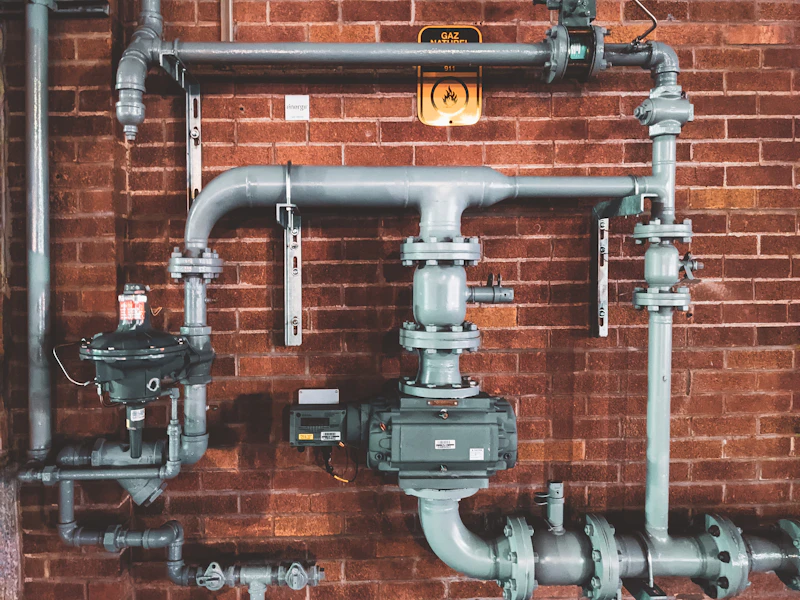
Based on Bureau of Labor Statistics wage data for the Columbus metropolitan area, plumbing in Dublin costs between $80 and $3,290, with an average of $330.
Plumbing Cost Breakdown — Dublin, OH
| Service/Item | Low Estimate | Average | High Estimate |
|---|---|---|---|
| Faucet Repair/Replace | $90 | $120 | $180 |
| Toilet Repair | $80 | $110 | $190 |
| Water Heater Install | $1,060 | $1,370 | $1,880 |
| Drain Cleaning | $50 | $70 | $110 |
| Pipe Leak Repair | $130 | $190 | $290 |
| Sewer Line Repair | $1,500 | $2,020 | $2,910 |
The Dublin Plumbing Market in 2026
Dublin’s plumbing market remains tight in 2026, with demand outpacing available contractors due to the suburb’s rapid population growth and aging infrastructure. The city’s median home price has risen 12% year-over-year, driving more remodeling projects and urgent repairs.
Licensed plumbers in Dublin typically charge labor rates aligned with the BLS-reported $27.00/hr benchmark, but premium contractors often command 15–20% more for complex jobs. The influx of high-end developments in areas like the Dublin Scioto neighborhood has also increased demand for specialty fixtures and smart plumbing systems, which require certified technicians for installation.
Local economic factors amplify pricing pressures. Dublin’s 2.1% unemployment rate (below Ohio’s 3.5%) means plumbers can selectively take jobs, reducing availability for last-minute requests.
Additionally, the city’s strict adherence to the 2021 Ohio Plumbing Code—updated from the 2018 version used in neighboring Gahanna—requires plumbers to stay current on training, adding to operational costs. Homeowners should expect higher bids for projects involving lead pipe replacement, a common issue in pre-1980s homes, and for compliance with Dublin’s stormwater drainage regulations.
Trends show a shift toward water-efficient systems, with 60% of new permits involving low-flow toilets or tankless water heaters.
Contractors report growing requests for whole-house water filtration systems, driven by concerns over the Scioto River’s water quality. Solar-powered water heating installations are also rising, though permits for these hybrid systems take 10–15 business days longer than standard projects.
How Local Housing Stock Affects Your Costs
Dublin’s housing mix—55% single-family homes, 30% townhomes, 15% multi-family units—creates varied plumbing challenges.
Brick colonials from the 1970s–1990s often have galvanized steel pipes prone to corrosion, while newer builds use PEX tubing for flexibility and durability. Vinyl-sided homes with slab foundations typically require less invasive repairs than basements in older properties, where cast iron drains and slab leaks are frequent issues.
- Pre-1980 homes: Expect 20–30% higher costs for pipe replacements due to accessibility challenges. Lead service lines (phased out in 1986) still exist in urban pockets near I-270, requiring licensed abatement specialists.
- 2000–2015 constructions: PEX plumbing reduces repair costs by 40%, but slab leaks remain a hidden risk. Drainfield issues in septic systems are common in rural sections of Dublin.
- Modern developments: Smart irrigation systems and dual-flush toilets add $1,500–$3,000 to installation costs but lower long-term utility bills.
- Local labor rates — Dublin plumbers charge 8% less than the national average due to lower cost of living compared to Cleveland or Columbus, limited union presence, and moderate demand. The Bureau of Labor Statistics reports a base rate of $27.00/hr, which remains stable year-round.
- Seasonal demand — Winter months (December–February) see peak plumbing calls due to frozen pipes and burst lines from cold temperatures (15–25°F). Contractors may charge a 10–20% premium during this period, while spring and fall offer lower rates for non-urgent work.
- Project scope — A simple leak repair might cost hundreds, while full pipe replacement runs into thousands. Complexity, accessibility (e.g., clay soil complicating trenching), and need for excavation widen price gaps significantly.
- Permits & inspections — Ohio requires state-licensed plumbers for most work, but Dublin handles local permits. Fees range from $50–$300 depending on project size, with additional time delays if inspections are required for code compliance.
- Materials quality — Premium options like PEX piping, brass fixtures, or corrosion-resistant drains can cost 30–50% more than standard PVC or steel alternatives. Homeowners in Dublin often choose durable materials to combat clay soil shifts and aging infrastructure.
- Property characteristics — Brick colonials and Cape Cods common in Dublin may have outdated galvanized pipes, raising renovation costs. Multi-story homes, finished basements, or vinyl-sided structures with hidden plumbing add labor complexity and time.
- Emergency vs scheduled — After-hours service (nights/weekends) costs 1.5–2x standard rates, especially in winter. Tornado season (April–June) and sudden pipe failures from freezing weather drive up demand for urgent repairs.
Cape Cod-style homes with steep rooflines often need recirculation pumps for hot water efficiency, while basements in newer neighborhoods like Dublin Square require sump pump installations. Homeowners replacing fixtures in older properties should budget extra for wall repairs—tile and drywall restoration adds $500–$1,200 per bathroom upgrade.
Permits, Codes, and Regulations in OH
Ohio lacks statewide general contractor licensing, but plumbers must hold a Master Plumber License from the Ohio Department of Commerce.
Dublin’s Building Department enforces the 2021 International Plumbing Code with local amendments, including mandatory backflow prevention devices for homes near the Olentangy River. Permits for residential projects typically cost 1.5–3% of the job value, with average fees ranging from $150 for drain cleanouts to $800 for full bathroom additions.
| Permit Type | Estimated Cost | Processing Time |
|---|---|---|
| Fixture replacement | $75–$150 | 3–5 business days |
| Septic system installation | $300–$500 | 10–14 days |
| Whole-house repiping | $400–$700 | 7–10 days |
Skipping permits risks fines up to $750 and halted projects during inspections.
Recent cases in Dublin show home inspectors flagging unpermitted work, leading to 10–20% discounts in resale negotiations. Contractors who cut corners on code compliance—such as undersizing vent pipes—face liability for system failures within the first five years.
Getting the Best Value on Plumbing
Homeowners in Dublin can reduce costs by 10–25% using targeted strategies.
Request fixed-price contracts for scope-of-work clarity, and ask for itemized invoices to spot markup on fixtures. Contractors who agree to pay for their own permits (a common practice in Gahanna but not always in Dublin) often undercut competitors by 8–12%.
Timing matters: schedule diagnostics in November–February when demand drops 30% post-holiday.
Bundling plumbing with HVAC upgrades—common during Dublin’s spring construction window—can unlock 15% discounts from full-service contractors. For example, pairing a water heater replacement with furnace maintenance saves $200–$400 on labor alone.
Verify contractors carry $500,000 liability insurance to avoid out-of-pocket costs for accidents.
Dublin’s Building Department maintains a online portal for checking contractor compliance history. Use it to filter bids—reputable firms with 4+ stars on Angie’s List typically charge $2–$4 more per hour but complete jobs 20% faster.
Plumbing in Dublin: Climate & Local Conditions
Local hazards that affect plumbing work: freeze thaw, tornado, humidity mold.
Dublin's 5615 HDD makes freeze prevention central — uninsulated rim joists, exterior walls running supply lines, and unheated garage plumbing are the common failure points. Pipe insulation + heat trace at vulnerable runs is standard.
Climate normals: NOAA 1991-2020 (base 65°F). Zones: IECC 2021.
Plumbing Costs vs. Other Ohio Cities
How Dublin's average ($330) compares to other Ohio cities using the same BLS methodology:
| City | Average Cost | BLS Hourly Rate | vs. Dublin |
|---|---|---|---|
| Cincinnati | $330 | $27.00/hr | +0% |
| Mason | $330 | $27.00/hr | +0% |
| Fairfield | $330 | $27.00/hr | +0% |
| Columbus | $330 | $27.00/hr | +0% |
| Westerville | $330 | $27.00/hr | +0% |
What Affects Plumbing Costs in Dublin?
What Affects Plumbing Costs in Dublin?
Popular Plumbing Brands in Dublin
Frequently Asked Questions
How much does plumbing cost in Dublin, OH?
Plumbing costs in Dublin, OH range from $80 to $3,290, with an average of $330. Labor rates align with the Bureau of Labor Statistics (BLS) hourly wage of $27.00, but total costs depend on job complexity, materials, and emergency service needs.
Why is plumbing less expensive in Dublin than the national average?
Dublin’s plumbing costs are lower due to Ohio’s lower cost of living compared to national averages and competitive local contractor markets. The BLS reports Ohio’s plumbing labor costs are below the U.S. average, influenced by regional economic factors and labor availability.
How can I save money on plumbing in Dublin?
Save money by comparing quotes from licensed Dublin contractors, scheduling non-urgent work during off-peak hours, and addressing minor issues before they escalate. Ohio’s energy programs may also offer rebates for water-efficient upgrades.
Do I need a permit for plumbing in OH?
Ohio requires permits for most plumbing work, especially in Franklin County (Dublin). Permits ensure compliance with the Ohio Plumbing Code. Always confirm with Dublin’s Building Department or hire a licensed contractor who handles permitting.
How long does plumbing take in Dublin?
Simple repairs (e.g., leaks) take 1–2 hours, while major projects (e.g., pipe replacement) may require 1–3 days. Dublin’s mild climate minimizes weather delays, but permits and material availability can affect timelines.
What warranty should I expect from a plumbing contractor?
Reputable Dublin contractors typically offer 1–5 year warranties on labor and materials. Some parts, like water heaters, may have manufacturer warranties up to 6–12 years. Always request a written warranty before work begins.
What's the best time of year for plumbing in Dublin?
Spring and fall are ideal for non-urgent plumbing projects due to lower demand. Winter emergencies (e.g., frozen pipes) drive up costs, while summer offers competitive rates as contractors aim to fill slower periods.
