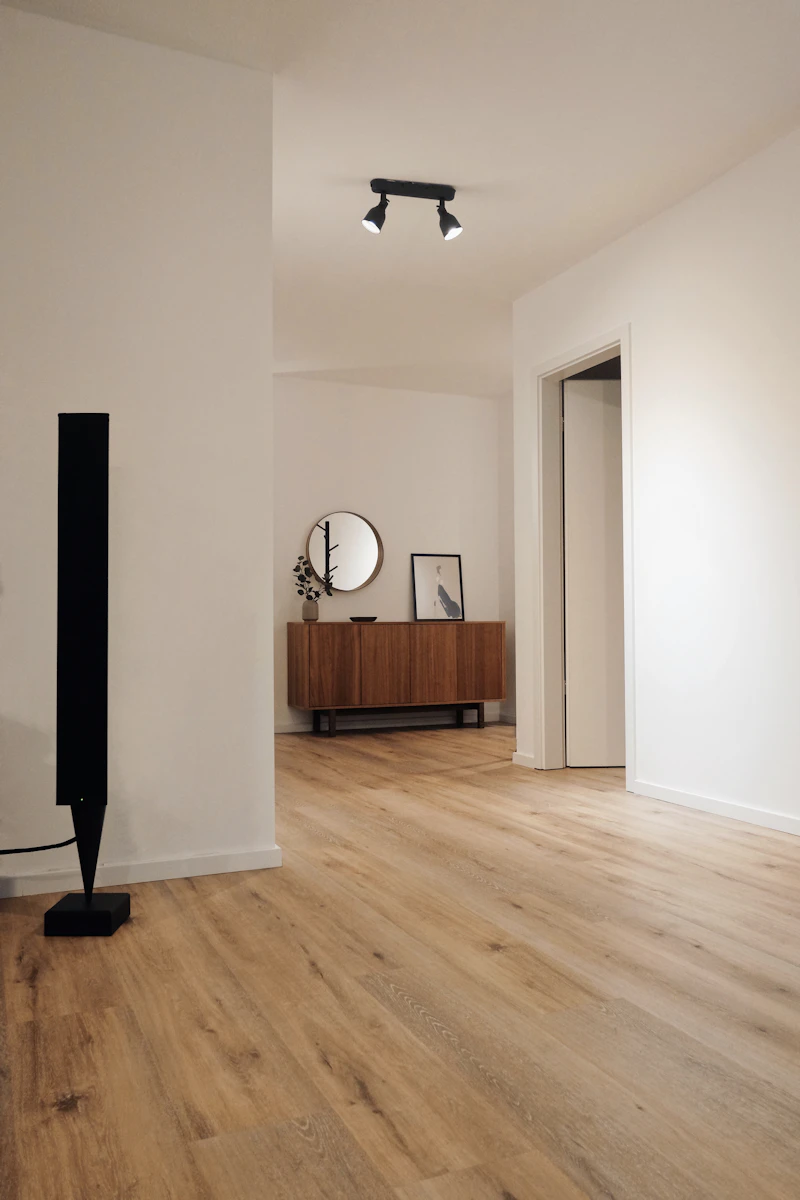
How Much Does Flooring Installation Cost in Kissimmee, FL?
Photo: Unsplash
Based on Bureau of Labor Statistics wage data for the Orlando-Kissimmee-Sanford metropolitan area, flooring installation in Kissimmee costs between $550 and $7,400, with an average of $2,150.
Is It Time for Flooring Installation? Warning Signs
Kissimmee’s subtropical climate means flooring faces constant stress from humidity, temperature swings, and potential storm damage. If your floors show any of these warning signs, replacement may be imminent:
Warping or buckling from 80%+ humidity, especially in laminate or engineered wood
Peeling adhesives due to moisture trapped under vinyl or tile
Termite damage in subflooring (common in concrete block/CBS homes)
Cracking in concrete slabs from ground movement during storm season
Visible mold growth under carpeting in poorly ventilated areas
Timing matters in this market. Contractors in Kissimmee see peak demand January–March (post-holiday renovations) and June–August (summer prep).
Off-peak discounts occur September–November, but avoid scheduling during hurricane season (June–November) unless you pay a 15–20% premium for emergency crews. Salt air corrosion near the coast also drives up material costs for homes within 10 miles of Lake Buena Vista.
What Drives Price Differences Between Contractors
Local labor rates anchor Kissimmee’s flooring costs.
The BLS-reported $23.04/hr base rate includes adjustments for heat stress and hurricane-related delays. Most contractors add a 35–45% markup to cover insurance, equipment, and termite inspection contingencies required by Florida law. Homeowners may also want to compare Flooring Installation in Miami.
Kissimmee’s housing stock skews toward concrete block (CBS) construction and stilt homes, which require specialized underlayment for tile or hardwood. For a nearby comparison, check Flooring Installation in Pompano Beach.
Contractors with experience in low-slope roof homes (common in this area) charge 10–15% more for moisture barrier installations. Compare this to the national average: local costs are 2% lower due to high contractor competition from the Orlando tourism sector. Homeowners may also want to compare plumbing costs in Kissimmee.
Climate risks further differentiate pricing.
Reputable firms include free termite inspections and mold remediation clauses in contracts, while budget providers may exclude these at additional cost. Always verify hurricane preparedness protocols—storms disrupt supply chains and can add $500–$1,500 to last-minute material purchases.
Financing Options for Flooring Installation in FL
Most Kissimmee contractors offer payment plans tied to project phases, especially for large-scale remodels near Walt Disney World. For example, 50% upfront, 30% at mid-project, and 20% upon completion. This structure helps homeowners avoid cash flow gaps during the busy vacation rental season.
Home equity lines of credit (HELOCs) remain popular here due to Florida’s high property values.
Current rates hover around 6.5%, but check with lenders about hurricane insurance requirements. Personal loans from local credit unions often include 0% introductory APR for 12–18 months, ideal for projects scheduled during off-peak November–February.
Financing makes sense if your project will increase rental income (e.g., upgrading vacation home floors). Pay cash if you’re fixing termite damage or water intrusion—insurance claims typically cover these costs faster than loan approvals. Related: hvac costs in Kissimmee.
Use this window to negotiate, especially if you’re not replacing floors damaged by recent storms. Always request a termite inspection clause in contracts—this prevents surprise charges for subfloor repairs common in this termites-prone region.
Bundling saves money in Kissimmee’s competitive market. Ask about discounts when combining flooring with:
Roof repairs (common after hurricanes)
Pool resurfacing (shared equipment costs)
Electrical upgrades (required for modern radiant heating systems)
For negotiation leverage, compare 3–4 bids using Florida’s licensed home inspector database. Highlight competitors’ hurricane preparedness plans as a bargaining chip—local firms know storms can delay projects and eat into profits.
Finally, demand a moisture testing protocol in your contract. Kissimmee’s high humidity requires subfloor testing before installing hardwood or tile. Contractors who skip this step risk callbacks costing $500–$1,000+ to fix mold or warping later.
Flooring Installation in Kissimmee: Climate & Local Conditions
Climate ZoneIECC Zone 2A (Hot-Humid)
Heating Degree Days506/yr
Cooling Degree Days3,553/yr
Peak Demand SeasonMay-October
Local hazards that affect flooring installation work: hurricane, humidity mold, flooding, lightning.
What Affects Flooring Installation Costs in Kissimmee?
What Affects Flooring Installation Costs in Kissimmee?
Local labor rates — Kissimmee’s labor rates ($23.04/hr (Bureau of Labor Statistics, 2024)) are 2% below the U.S. average due to lower cost of living and limited unionization. High demand from tourism-driven construction projects occasionally drives rates up, but overall affordability keeps labor costs competitive in the Orlando-Kissimmee-Sanford metro area.
Seasonal demand — Peak flooring installation season runs November–April, avoiding hurricane season (June–November). Contractors may charge 10–20% more during dry, stable weather months, while off-peak periods see discounts but potential delays due to storm-related scheduling conflicts.
Project scope — Minor repairs (e.g., replacing 10–20 sq. ft. of tile) cost significantly less than full-room or whole-home replacements. Complex projects involving subfloor prep, mold remediation, or removal of hurricane-rated materials widen cost gaps due to labor and material intensity.
Permits & inspections — Florida law requires licensed contractors (DBPR-licensed) for most flooring work. Homes within 1 mile of coastal areas (e.g., nearby Cape Canaveral) need hurricane-rated materials, adding $50–$300 for permits. Kissimmee’s inland location avoids coastal mandates but still requires standard building inspections.
Materials quality — Premium options like engineered hardwood, ceramic tile, or luxury vinyl plank (LVP) with waterproof cores cost 30–50% more than builder-grade laminate or vinyl. Durable, moisture-resistant materials are recommended to combat year-round humidity and potential flood risks.
Property characteristics — Concrete block (CBS) homes common in Kissimmee may require specialized drilling for underfloor heating or anchoring. Stilt homes in nearby coastal areas, multi-story residences, or older properties with uneven subfloors add labor complexity, while flat-roofed, single-story homes simplify access and reduce costs.
Emergency vs scheduled — After-hours service (nights/weekends) or hurricane-related damage repairs incur 1.5–2x standard rates. Contractors prioritize emergencies, but homeowners may face higher costs during peak storm seasons (June–November) due to limited availability and urgent demand.
Popular Flooring Installation Brands in Kissimmee
Home Depot
Lowe's
Frequently Asked Questions
How much does flooring installation cost in Kissimmee, FL?
The average cost of flooring installation in Kissimmee, FL is $2,150, with a range of $550 to $7,400. This cost can vary depending on factors such as the type of flooring, installation complexity, and labor costs. According to the Bureau of Labor Statistics, the average hourly labor rate for flooring installation in the Orlando-Kissimmee-Sanford metro area is $23.04 per hour.
Why is flooring installation less expensive in Kissimmee than the national average?
Flooring installation in Kissimmee, FL may be less expensive than the national average due to lower labor costs and a more competitive market. The Orlando-Kissimmee-Sanford metro area has a lower cost of living compared to other major cities in the US, which can contribute to lower prices for services like flooring installation. Additionally, the area has a high number of contractors, which can drive prices down.
How can I save money on flooring installation in Kissimmee?
To save money on flooring installation in Kissimmee, consider getting multiple quotes from contractors to compare prices. You can also save by choosing less expensive flooring options, doing some of the preparation work yourself, or scheduling installation during the off-season. Additionally, look for contractors who offer discounts or promotions, and make sure to check their references and reviews to ensure you're getting a good value.
Do I need a permit for flooring installation in FL?
In Florida, you typically do not need a permit for flooring installation, as long as the work is limited to replacing existing flooring. However, if you're making structural changes or installing flooring in a commercial building, you may need to obtain a permit. It's best to check with your local government or a licensed contractor to determine if a permit is required for your specific project.
How long does flooring installation take in Kissimmee?
The duration of flooring installation in Kissimmee, FL depends on the size of the project, the type of flooring, and the complexity of the installation. On average, flooring installation can take anywhere from a few hours to several days. A small to medium-sized project may take 1-3 days, while larger projects can take longer. Your contractor should provide a more specific timeline for your project.
What warranty should I expect from a flooring installation contractor?
A reputable flooring installation contractor in Kissimmee, FL should offer a warranty on their work. The length and coverage of the warranty can vary, but you can typically expect a warranty to cover labor and materials for at least 1-5 years. Some contractors may offer longer warranties or more comprehensive coverage, so be sure to ask about their warranty policies when getting quotes.
What's the best time of year for flooring installation in Kissimmee?
The best time for flooring installation in Kissimmee, FL is during the spring or fall, when the weather is mild and humidity is relatively low. These conditions can help prevent moisture-related issues with flooring materials. Summer can be a busy time for contractors, so scheduling installation during the spring or fall may also help you avoid delays.
📊 Planning This Project? Get a Full Budget Breakdown
Use our free RenoCost planner to get a zip-code-adjusted cost estimate, analyze contractor quotes, and plan your budget — powered by real BLS data.