How Much Does Electrical Cost in Miami, FL?
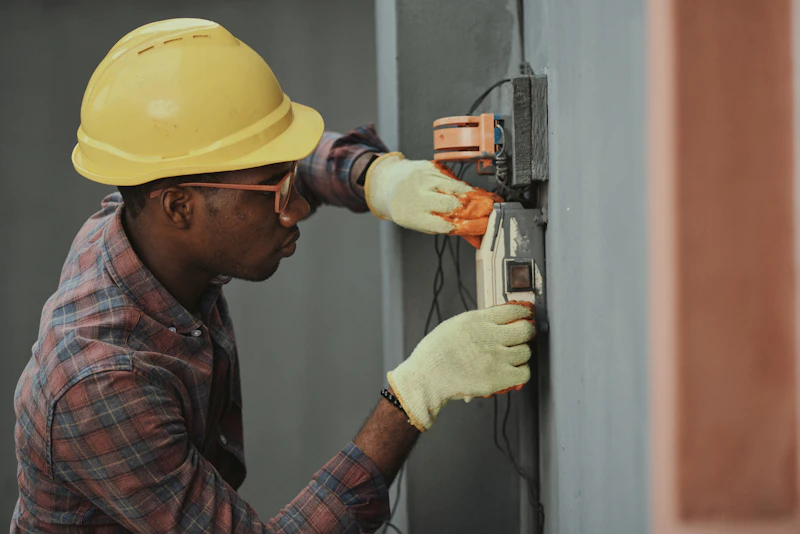
Based on Bureau of Labor Statistics wage data for the Miami-Fort Lauderdale-Pompano Beach metropolitan area, electrical in Miami costs between $80 and $4,620, with an average of $670.
Electrical Cost Breakdown — Miami, FL
| Service/Item | Low Estimate | Average | High Estimate |
|---|---|---|---|
| Outlet Installation | $50 | $70 | $110 |
| Ceiling Fan Install | $170 | $240 | $360 |
| Panel Upgrade (200 amp) | $1,400 | $1,850 | $2,600 |
| EV Charger Install | $740 | $970 | $1,360 |
| Whole House Rewiring | $2,910 | $3,870 | $5,520 |
| Light Fixture Install | $70 | $90 | $150 |
Why Electrical Costs Vary in Miami
In Miami, electrical costs are influenced by a unique combination of factors.
The Bureau of Labor Statistics (BLS) reports an average labor rate of $29.02/hr for electricians in the Miami-Fort Lauderdale-Pompano Beach area. Contractors typically apply a markup to this rate, which contributes to the overall cost of electrical projects.
Compared to the national average, Miami's electrical costs are -2% lower. However, local conditions drive up costs in other ways.
Miami's subtropical climate means that electrical systems must be designed to withstand extreme humidity (often above 80%) and salt air corrosion, particularly for coastal homes. The region's hurricane-prone status (Category 3-5) necessitates the use of hurricane-rated materials within 1 mile of the coast.
The prevalence of concrete block (CBS) construction, stilt homes on the coast, stucco exteriors, and flat/low-slope roofs also impact electrical costs.
Screened-in pools are common in Miami, adding to the electrical workload. Year-round termite activity is another consideration for electrical system design and installation.
Comparing Quotes: Budget vs. Mid-Range vs. Premium
| Feature | Budget | Standard | Premium |
|---|---|---|---|
| Materials | Basic, code-compliant materials | Mid-grade materials with standard warranties | High-end materials with extended warranties |
| Warranty | 1-year warranty | 2-5 year warranty | 10-year warranty or more |
| Timeline | Longer timelines, possible phased installation | Standard timeline, efficient installation | Expedited timeline, priority scheduling |
| Permits and Inspections | Basic permit package | Standard permit package, including inspections | Comprehensive permit package, including inspections and coordination |
| Workmanship | Basic workmanship, meets code | High-quality workmanship, attention to detail | Exceptional workmanship, master-level electricians |
Seasonal Pricing Patterns in FL
Miami's subtropical climate and hurricane-prone status create a unique pricing landscape for electrical work. Peak season for electrical projects typically coincides with the Atlantic hurricane season (June 1 - November 30).
During this time, demand for electrical services increases, and prices may rise. Conversely, off-peak season (December to May) often brings lower prices and more flexible scheduling.
Here are some timing tips to consider:
- Schedule electrical work during the off-season (December to May) for potential cost savings.
- Plan ahead and book electrical services at least 2-3 months in advance to ensure availability.
- Be prepared for emergency rates to apply during peak hurricane season (June 1 - November 30).
- Consider bundling electrical projects to take advantage of economies of scale.
- Verify that your contractor has a plan in place for hurricane-related electrical emergencies.
- State licensing and certification.
- Insurance and liability coverage.
- Experience with hurricane-rated materials and coastal construction.
- Knowledge of the Florida Building Code (FBC) and local regulations.
- Physical address and reputation in the community.
- Unusually low bids or pressure to sign a contract immediately.
- Lack of transparency regarding materials, labor, or permits.
- Inability to provide references or proof of licensing.
- What materials will you use, and why?
- Can you provide a detailed breakdown of costs?
- What is your plan for ensuring electrical system safety and efficiency?
- Local labor rates — Miami's labor rate of $29.02/hr (Bureau of Labor Statistics, 2024) is slightly lower than the national average, largely due to the city's high cost of living and the presence of unions, which can drive up wages. Additionally, the demand for skilled electricians in the area contributes to the local labor rate. This rate can fluctuate based on the electrician's experience, licensing, and certifications.
- Seasonal demand — Miami's subtropical climate means that electrical work is in high demand year-round, but peak season (summer) can bring a 10-20% premium on labor rates due to increased demand for services like AC and pool heater installations. During off-peak seasons, electricians may offer discounts or promotions to attract customers. Homeowners can expect to pay more for electrical work during peak season.
- Project scope — the scope of your electrical project can greatly impact costs, with simple repairs costing significantly less than full replacements. The complexity of the job, required materials, and labor hours needed drive the gap between low and high estimates. For example, a simple outlet replacement may cost less than a full electrical panel upgrade.
- Permits & inspections — in Florida, most electrical trades require a state license (DBPR), and hurricane-rated materials are mandatory within 1 mile of the coastline. Permit fees typically range from $50 to $300, depending on the type and scope of the project. These costs are necessary to ensure compliance with local building codes and regulations.
- Materials quality — the quality of materials used can significantly impact electrical costs, with premium materials costing 30-50% more than builder-grade options. For example, high-end electrical panels from manufacturers like Siemens or Square D may cost more than basic panels from other brands. Similarly, smart home devices and energy-efficient solutions can add to the overall cost.
- Property characteristics — the type, age, and accessibility of your property can affect electrical costs. For example, concrete block (CBS) homes, common in Miami, may require specialized fasteners and drilling techniques, while stilt homes on the coast may require additional safety precautions. Additionally, homes with multiple stories or complex rooflines may require more labor and equipment to access electrical components.
- Emergency vs scheduled — emergency or after-hours electrical work can cost 1.5-2 times more than scheduled work, with weekend premiums adding to the overall cost. Scheduling electrical work during regular business hours can help minimize costs. It's essential to plan ahead and schedule electrical work whenever possible to avoid emergency rates.
Emergency rates typically apply during peak hurricane season when electrical services are urgently required. To avoid emergency rates, plan ahead, and schedule routine electrical work during the off-season.
Hiring the Right Contractor in Miami
In Florida, state licensing is required for most trades, including electrical contractors. The Florida Department of Business and Professional Regulation (DBPR) oversees licensing and ensures that contractors meet minimum standards.
Additionally, hurricane-rated materials are mandatory within 1 mile of the coast, and the Florida Building Code (FBC) is stricter than the International Residential Code (IRC). A permit is required for almost all electrical work over $500.
When hiring an electrical contractor in Miami, verify the following:
Red flags to watch out for during estimates include:
Ask questions during estimates, such as:
Electrical in Miami: Climate & Local Conditions
Local hazards that affect electrical work: hurricane, humidity mold, salt air, flooding.
Miami's lightning frequency makes whole-house surge protection a standard panel upgrade; humidity also drives outdoor receptacle corrosion — bubble covers + GFCI in damp locations are code.
Climate normals: NOAA 1991-2020 (base 65°F). Zones: IECC 2021.
Electrical Costs vs. Other Florida Cities
How Miami's average ($670) compares to other Florida cities using the same BLS methodology:
| City | Average Cost | BLS Hourly Rate | vs. Miami |
|---|---|---|---|
| Fort Lauderdale | $670 | $29.02/hr | +0% |
| Pompano Beach | $670 | $29.02/hr | +0% |
| Tampa | $670 | $29.02/hr | +0% |
| St Petersburg | $670 | $29.02/hr | +0% |
| Clearwater | $670 | $29.02/hr | +0% |
What Affects Electrical Costs in Miami?
What Affects Electrical Costs in Miami?
in Miami, Fort Lauderdale, or Pompano Beach, understanding the factors that influence electrical costs can help you budget and plan for your next project. Here are the key considerations:
Popular Electrical Brands in Miami
Frequently Asked Questions
How much does electrical cost in Miami, FL?
The average cost of electrical work in Miami, FL is $670. However, costs can range from $80 to $4,620 depending on the specific job and contractor. According to the Bureau of Labor Statistics, the hourly rate for electricians in Miami is $29.02 per hour. This rate can help estimate costs for smaller jobs or repairs.
Why is electrical less expensive in Miami than the national average?
Miami's electrical costs are lower than the national average likely due to lower labor and material costs. The BLS rate of $29.02 per hour for electricians in Miami is a contributing factor. Additionally, the local market and competition among contractors may help keep prices lower. However, costs can still vary widely depending on the specific job and contractor.
How can I save money on electrical in Miami?
To save money on electrical work in Miami, get multiple quotes from licensed contractors to compare prices. Consider scheduling work during the off-season or on weekdays when demand is lower. Also, be clear about the scope of work and materials needed to avoid unexpected expenses. Finally, check if your project qualifies for any local incentives or rebates.
Do I need a permit for electrical in FL?
In Florida, electrical work typically requires a permit from local authorities. The type of permit needed depends on the scope and complexity of the project. For example, simple repairs may not require a permit, while larger installations or renovations usually do. Check with your local government or a licensed electrical contractor to determine if a permit is required for your project.
How long does electrical take in Miami?
The duration of electrical work in Miami varies widely depending on the project's complexity and scope. Simple repairs or installations may take a few hours, while larger projects can take several days or even weeks. Factors like the availability of materials, access to the work site, and the contractor's workload can also impact the project timeline.
What warranty should I expect from a electrical contractor?
A reputable electrical contractor in Miami should offer a warranty on their work. Typically, a warranty covers labor and materials for a certain period, usually 1-2 years. Some contractors may also offer manufacturer warranties on parts and materials. Be sure to ask about the warranty and its terms before hiring a contractor.
What's the best time of year for electrical in Miami?
In Miami, the best time for electrical work is during the cooler months, from October to April. During this period, demand for electrical services tends to be lower, which may result in lower prices and faster scheduling. Additionally, working during this time can help minimize disruptions caused by summer storms and heatwaves.
