How Much Does Bathroom Remodel Cost in Kansas City, MO?
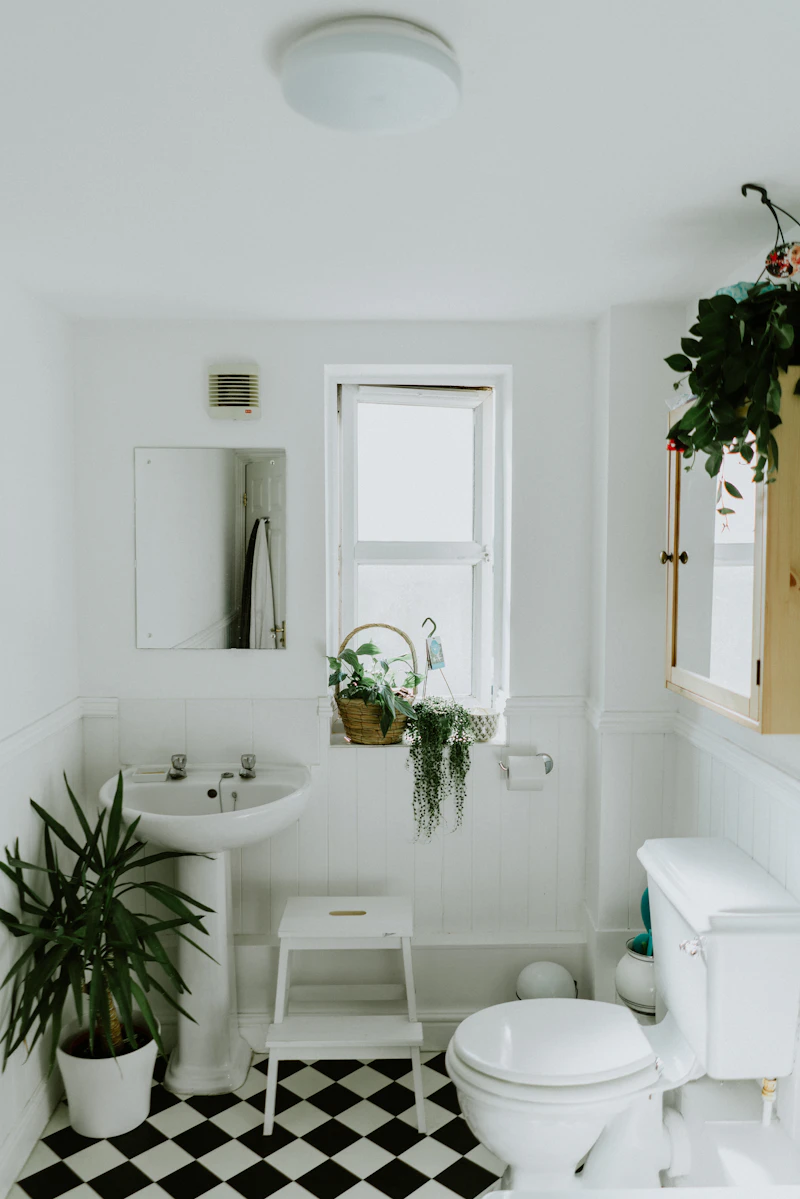
Based on Bureau of Labor Statistics wage data for the Kansas City metropolitan area, bathroom remodel in Kansas City costs between $2,500 and $22,950, with an average of $7,140.
Bathroom Remodel Cost Breakdown — Kansas City, MO
| Service/Item | Low Estimate | Average | High Estimate |
|---|---|---|---|
| Vanity + Sink Install | $770 | $1,010 | $1,440 |
| Shower/Tub Replacement | $1,930 | $2,570 | $3,660 |
| Tile Work (floor + walls) | $1,620 | $2,210 | $3,280 |
| Toilet Replacement | $300 | $410 | $590 |
| Full Gut Remodel | $8,070 | $10,850 | $15,700 |
| Fixture Upgrade Package | $1,130 | $1,490 | $2,090 |
The Kansas City Bathroom Remodel Market in 2026
Kansas City homeowners seeking bathroom remodels face a dynamic market. Demand remains steady, driven by the area's growing population and aging housing stock. Contractors report that lead times are reasonable, but scheduling well in advance is still essential, especially for larger projects. The local economy plays a significant role in pricing. As the Kansas City metropolitan area continues to attract new businesses and residents, the demand for skilled labor and quality materials increases. This growth contributes to a moderate rise in construction costs. According to the Bureau of Labor Statistics, the average hourly labor rate for a carpenter in the Kansas City area is around $23.76/hr. Trends in bathroom remodels in Kansas City focus on modernizing outdated spaces while incorporating smart home technology and sustainable materials. Homeowners often prioritize updates to their master bathrooms, seeking luxurious features like rain showerheads and heated floors.How Local Housing Stock Affects Your Costs
The age, type, and construction of homes in Kansas City significantly impact bathroom remodel costs. The area's iconic brick ranch-style homes, prevalent in neighborhoods like Westport and Brookside, often require more extensive work due to outdated plumbing and electrical systems. Older constructions in city cores, such as those found in the Crossroads Arts District, may necessitate additional structural repairs. In contrast, newer homes in exurban areas like Lee's Summit and Olathe tend to have more modern infrastructure, reducing the complexity and cost of remodels. Basements are a standard feature in many Kansas City homes, which can affect the scope of work and overall cost. Common issues in older homes include:- Asbestos-containing materials
- Lead-based paint
- Outdated plumbing and electrical systems
- Structural damage from settling or water exposure
- Complexities with smart home integrations
- Specific manufacturer requirements for high-end fixtures
- Obtain multiple bids from licensed contractors
- Be clear about project scope and timelines
- Consider value-added services, like design consultation
- Shared resources (e.g., scaffolding, temporary walls)
- Project management
- Material purchases
- Local labor rates — Kansas City's labor rate of $23.76/hr (Bureau of Labor Statistics, 2024) is relatively lower compared to the national average. This can be attributed to the city's lower cost of living and the presence of trade unions, which can affect demand and wages for skilled labor. Additionally, the local economy and competition among contractors also play a role in determining labor costs.
- Seasonal demand — Kansas City's extreme climate, with temperature swings ranging from -10 to 105°F, and its location in tornado alley and ice storm zones, can impact the demand for bathroom remodels. Contractors may charge a premium of 10-20% during peak season (summer and early fall) when demand is high, and a discount during the off-peak season (winter and early spring) when demand is lower.
- Project scope — The scope of your bathroom remodel project can significantly impact costs. A basic repair, such as fixing a leaky faucet, can cost much less than a full replacement of fixtures, tile, and plumbing. The gap between low and high estimates can be driven by factors like the complexity of the project, materials needed, and labor hours required.
- Permits & inspections — In Kansas City, MO, permits and inspections are required for bathroom remodels. The city and county have specific requirements, with typical permit fees ranging from $50 to $300. These costs can add up, especially if you're working with an older home or making significant changes to your plumbing or electrical systems.
- Materials quality — The quality of materials you choose can greatly impact your bathroom remodel costs. Premium materials, such as high-end tile, solid surface countertops, and luxury fixtures, can cost 30-50% more than builder-grade options. For example, you might choose between basic ceramic tile and premium porcelain tile, or between a standard faucet and a high-end model with advanced features.
- Property characteristics — The type, age, and accessibility of your property can affect bathroom remodel costs. For example, brick ranch-style homes, which are common in Kansas City, may require specialized labor and materials for repairs. Older homes in the city core may have outdated plumbing and electrical systems, adding to the complexity and cost of the project. Additionally, homes with basements or multiple stories may require more labor and equipment to access and work on.
- Emergency vs scheduled — If you need emergency repairs or after-hours service, be prepared for higher rates, which can be 1.5-2 times the standard rate. Weekend premiums may also apply, adding to the overall cost of your bathroom remodel.
Permits, Codes, and Regulations in MO
In Missouri, there is no statewide licensing requirement for contractors; instead, regulations are enforced at the local level. The cities of St. Louis and Kansas City have established strict requirements for contractors and remodelers. Homeowners planning bathroom remodels in incorporated areas must obtain the necessary permits. Typical permit costs in Kansas City range from $100 to $500, depending on the scope of the project. The permitting process typically takes 1-3 weeks, but this timeframe may vary. Failure to obtain required permits can result in fines and forced removal of completed work. Additionally, the Missouri Clean Indoor Air Act affects commercial construction, particularly in regards to smoking cessation and indoor air quality.Getting the Best Value on Bathroom Remodel
To secure the best value on a bathroom remodel, homeowners should consider several strategies:Negotiation Strategies
Seasonal Discounts and Timing Advantages
Kansas City's construction market experiences fluctuations in demand throughout the year. Scheduling projects during the off-season (typically November to March) may yield discounts on labor and materials.Bundling Opportunities
Homeowners planning multiple remodels can benefit from bundling services. By combining bathroom and kitchen remodels, for example, contractors may offer discounts on:Bathroom Remodel in Kansas City: Climate & Local Conditions
Local hazards that affect bathroom remodel work: tornado, hail, freeze thaw, humidity mold.
Kansas City bathrooms need both humidity control in summer and freeze protection on exterior-wall plumbing in winter — under-cabinet pipe insulation and ducted fan runs are typical spec.
Climate normals: NOAA 1991-2020 (base 65°F). Zones: IECC 2021.
Bathroom Remodel Costs vs. Other Missouri Cities
How Kansas City's average ($7,140) compares to other Missouri cities using the same BLS methodology:
| City | Average Cost | BLS Hourly Rate | vs. Kansas City |
|---|---|---|---|
| St Louis | $7,140 | $23.76/hr | +0% |
What Affects Bathroom Remodel Costs in Kansas City?
What Affects Bathroom Remodel Costs in Kansas City?
in Kansas City, MO, understanding the factors that influence bathroom remodel costs can help you plan and budget for your project. Here are the key considerations:
Popular Bathroom Remodel Brands in Kansas City
Frequently Asked Questions
How much does bathroom remodel cost in Kansas City, MO?
The average cost of a bathroom remodel in Kansas City, MO is $7,140, with a range of $2,500 to $22,950. This cost can vary depending on factors such as the scope of the project, materials chosen, and labor costs, which average $23.76 per hour according to the Bureau of Labor Statistics.
Why is bathroom remodel less expensive in Kansas City than the national average?
The cost of living in Kansas City, MO is lower compared to other major cities in the US, which contributes to lower labor and material costs. Additionally, the local market conditions and competition among contractors may also play a role in keeping costs lower than the national average.
How can I save money on bathroom remodel in Kansas City?
To save money on a bathroom remodel in Kansas City, consider having the project done during the off-season, shopping for materials and fixtures during sales, and being flexible with your design choices. You can also consider doing some of the work yourself, but be sure to factor in the cost of any necessary permits and inspections.
Do I need a permit for bathroom remodel in MO?
In Missouri, a permit is typically required for bathroom remodels that involve plumbing, electrical, or structural work. Check with the City of Kansas City's Building Department to determine specific requirements for your project, as permit costs and regulations can vary.
How long does bathroom remodel take in Kansas City?
The duration of a bathroom remodel in Kansas City can vary depending on the scope of the project, but on average, it can take anywhere from a few days to several weeks. Factors such as the availability of materials, labor, and any necessary inspections can impact the overall timeline.
What warranty should I expect from a bathroom remodel contractor?
A reputable bathroom remodel contractor in Kansas City should offer a warranty that covers their work and materials for at least one year. Be sure to review and understand the terms of the warranty, including what is covered and for how long, before signing a contract.
What's the best time of year for bathroom remodel in Kansas City?
The best time for a bathroom remodel in Kansas City is during the spring and fall, when the weather is mild and there are fewer extreme weather events. Avoiding the peak summer and winter months can help minimize delays and ensure a smoother project timeline.
